
Hyderabad’s rapid growth has often come with a heavy price: pollution. The Telangana government has now identified nearly 10,000 industries operating inside the Outer Ring Road (ORR) that fall under the “high-pollution” bracket. Many of these have been discharging harmful chemicals into rivers, lakes, and even the air that citizens breathe. To address this crisis, the state has decided to relocate these industries into newly planned zones outside city limits. This decision isn’t just about urban planning; it is about people’s health, sustainability, and the future of Hyderabad.
Why Industries Relocation Became Unavoidable?
Industrial development has been one of Hyderabad’s economic backbones, but unchecked pollution turned it into a double-edged sword. The situation worsened in areas like Patancheru-Bollaram and Jeedimetla-Balanagar, where both water and air quality have declined dangerously.
- Water contamination: Heavy metals and solvents have polluted rivers like Nakkavagu, directly impacting agriculture and drinking water.
- Air quality: Particulate matter from industrial fumes has led to rising respiratory illnesses in nearby colonies.
- Public health costs: Doctors in the city have repeatedly warned of antibiotic resistance due to chemical residues in water.
This combination of factors made relocation less of a choice and more of a survival necessity for Hyderabad.
The Red Category Crisis: 3,198 Units at High Risk
Among the 10,000 industries flagged, the Telangana State Pollution Control Board (TSPCB) has highlighted 3,198 industries in the “Red Category.” These are the most hazardous, producing toxic effluents and contributing disproportionately to pollution.
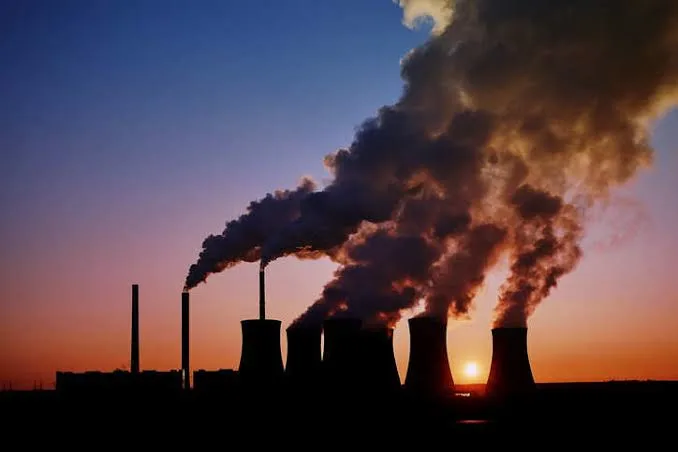
- Immediate targets: These 3,198 units will be shifted first.
- Locations under scanner: Patancheru-Bollaram, Jeedimetla, and Balanagar have been marked as priority zones for clearance.
- Type of pollutants: These include pharmaceutical residues, heavy metals, and industrial solvents.
The National Green Tribunal (NGT) has also pressured the state to fast-track this shift, especially for industries operating dangerously close to residential areas.
Role of Judiciary and NGT in Driving Accountability:
The relocation of polluting industries around Hyderabad did not emerge solely from political will, it was also shaped by judicial intervention. Over the years, petitions filed by local residents, environmental activists, and civic groups highlighted the dangers of unchecked industrial discharge. The National Green Tribunal (NGT), in particular, played a crucial role by issuing directives mandating industries in residential or high-pollution zones to be shifted. Courts have repeatedly asked the government why action was delayed despite the mounting health crisis.
These interventions created legal pressure that the state government could not ignore. For citizens, this offers some reassurance that the rule of law still works in favor of public health. However, judicial oversight alone is not enough, it requires follow-through by local authorities, consistent monitoring, and strict penalties for violators who continue to operate within the ORR limits. Without sustained enforcement, court rulings risk becoming symbolic rather than transformative.
Environmental and Health Fallout on Citizens:
Behind these numbers are thousands of families directly impacted by toxic air and water. Locals in industrial belts often complain of skin diseases, chronic cough, and frequent fevers. Farmers report that their fields yield less because irrigation canals carry chemical-laced water.
- Farmers’ plight: Crops watered from contaminated canals often fail to meet quality standards, reducing incomes.
- Children at risk: Pediatricians in Hyderabad note a rise in respiratory problems among children in ORR-adjacent colonies.
- Silent crisis: Long-term exposure has been linked to rising cases of kidney and liver ailments.
For many, relocation is not just about reducing pollution, it is about restoring basic dignity and quality of life.
Government’s Relocation Strategy:
The Telangana cabinet sub-committee has approved a phased approach. This ensures businesses aren’t crippled overnight but are guided into planned industrial zones with modern infrastructure.
- Identification of polluting clusters – Mapping industries inside ORR and classifying by pollution category.
- Phase-wise relocation – Moving the Red Category first, followed by Orange and Green.
- Creation of new industrial zones – Outside Hyderabad, with waste management facilities.
- Support for industries – Offering land, infrastructure, and subsidies for eco-friendly technology.
This framework attempts to balance economic needs with environmental responsibility.
Challenges in Implementation of Industries Relocation:
While the intent is clear, the execution will be complex. Past attempts to shift industries often stalled due to political, financial, and logistical hurdles.
- Resistance from owners: Many industries resist relocation, citing cost burdens.
- Slow progress: Despite orders, only a handful of industries have shifted so far.
- Legal battles: Some units have approached courts to delay relocation.
- Infrastructure delays: New zones must be fully functional, with roads, power, and waste treatment plants, before relocation begins.
Without overcoming these hurdles, the policy risks becoming yet another paper plan.
Impact on Hyderabad’s Real Estate and Urban Growth:
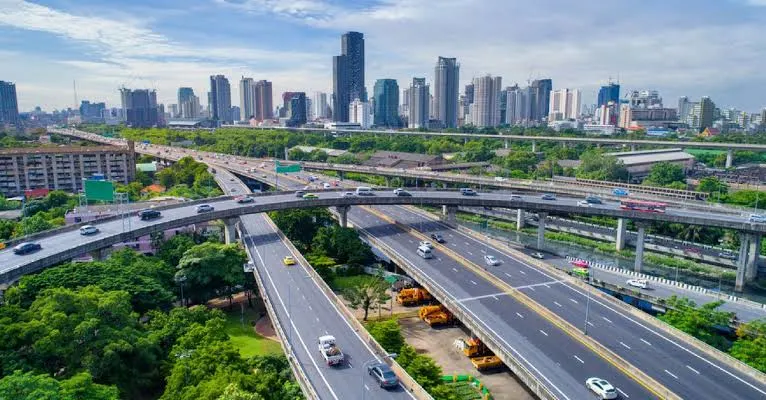
The decision to shift nearly 10,000 industries is bound to have ripple effects on Hyderabad’s urban landscape and real estate market. Once industries move out of the Outer Ring Road belt, several pockets of land will open up for alternate uses. This could pave the way for new residential projects, IT corridors, or green zones, especially in areas where pollution once deterred investors. For real estate developers, this relocation signals new opportunities; for residents, it promises healthier neighborhoods and higher property values.
Urban planners also view this as a chance to design more balanced growth, one that separates residential clusters from industrial hubs. At the same time, careful zoning will be essential to avoid unregulated expansion that may again strain the city’s infrastructure. The success of this industrial relocation may very well define Hyderabad’s next phase of urban development, influencing how livable and sustainable the city becomes in the coming decades.
Long-Term Gains for Hyderabad:
If implemented properly, the relocation will reshape Hyderabad into a healthier, greener city. Citizens will breathe cleaner air, farmers can depend on safer water, and industries themselves will benefit from modern facilities.
- Cleaner environment: Reduced emissions and chemical discharges.
- Better urban planning: Decongesting ORR and keeping residential areas safer.
- Economic advantage: New industrial parks with modern waste treatment will attract investment.
- Public health savings: Reduced medical costs for respiratory and waterborne diseases.
In the long run, the move represents a shift towards sustainable industrialization.
Conclusion:
Hyderabad is at a turning point. By relocating 10,000 polluting industries from ORR to new zones, Telangana is choosing the hard but necessary path of sustainable growth. While challenges exist, the potential rewards, cleaner air, safer water, healthier citizens are too valuable to ignore. For the lakhs of people living around Hyderabad, this decision could mean a new lease on life.
FAQs:
Because pollution from these industries has contaminated air, water, and soil, posing severe health and environmental risks.
Around 10,000 industries, with 3,198 classified as Red Category (most hazardous), are set to be relocated first.
To newly planned industrial zones outside Hyderabad, designed with proper infrastructure and waste management facilities.
It will improve air and water quality, reduce health problems, and make residential areas safer for families.
Resistance from industry owners, legal disputes, and delays in developing new industrial zones may slow the process.