
Hyderabad’s rapid urban development has come with a hidden cost of pollution from industrial activity within the city’s outer boundaries. In a bold and much-needed move, Deputy Chief Minister Mallu Bhatti Vikramarka announced the government’s decision to relocate all polluting industries operating within the Outer Ring Road (ORR) to areas outside the city limits. This decision, taken during a high-level revenue resource mobilisation meeting, signals a turning point in balancing industrial growth with environmental health. But what does this mean for Hyderabad’s economy, the people who live and work near these industries, and the industries themselves? Let’s unpack the significance, plans, and future implications of this policy.
Why Does the Move Matters Now More Than Ever?
Environmental concerns are no longer background noise; they’re loud and urgent. Residents living near industrial zones within the ORR Telangana have been battling respiratory illnesses, contaminated groundwater, and noise pollution for years.
Key points that highlight the urgency:
- Health Impact: Proximity to chemical units and heavy manufacturing plants has led to increased asthma and skin disease cases.
- Urban Stress: With Hyderabad expanding, these industries now sit uncomfortably close to schools, homes, and hospitals.
- Ecosystem Degradation: Emissions and waste discharge have harmed water bodies like the Musi River.
This relocation isn’t just a bureaucratic move; it’s a lifeline for many neighborhoods suffocating in industrial fumes.
Deputy CM Mallu Bhatti Relocation Plan:
This isn’t a vague announcement. The Cabinet subcommittee, led by the Deputy CM, has issued a directive for officials to formulate detailed guidelines and a strict timeline for relocation.

The plan includes:
- Drafting a relocation calendar with specific deadlines.
- Identifying suitable zones outside the ORR that can accommodate relocated industries.
- Ensuring compliance with environmental clearance and zoning laws in the new areas.
The goal is not just displacement, but responsible, sustainable relocation, something that has often been lacking in previous efforts.
Reactions from Industry and Citizens:
The announcement has drawn mixed reactions, as expected. While environmentalists and city dwellers have welcomed the move, industrial stakeholders are cautious.
Citizens:
- Relief and hope: Locals living in areas like Jeedimetla and Nacharam say this plan gives them hope for a cleaner, quieter future.
- Concerns about follow-through: Many worry the move might stall due to political or legal hurdles.
Industry Stakeholders:
- Economic implications: Some factory owners are anxious about land availability and cost in new zones.
- Need for incentives: Many are requesting financial support or tax breaks to make the shift feasible.
This blend of hope and apprehension shows the complexity of executing such a large-scale relocation effort.
Employment Concerns and Workforce Transition Plans:
One of the most immediate concerns around the relocation directive revolves around the fate of workers employed in these polluting industries. Many laborers reside in nearby low-income housing or slums close to industrial units for daily commute ease. With factories moving far beyond the ORR, thousands of workers risk losing access to their livelihoods unless supportive measures are put in place. The government must step in to create workforce transition plans such as subsidized transportation, housing support near the new industrial zones, and employment reallocation schemes.
Additionally, worker retraining initiatives can help upskill employees in environmentally compliant roles or connect them with job opportunities in upcoming green industries. Without addressing these human elements, the relocation process risks being seen as anti-worker, even if it’s environmentally beneficial. Ensuring a safety net for the working class is not just ethical, it’s essential for a smooth and conflict-free execution of the relocation plan.
Challenges in Execution:
Relocating polluting industries is a noble move, but it’s not without complications.
Some of the pressing issues include:
- Land Acquisition: Identifying affordable and spacious land outside the ORR for hundreds of industries.
- Infrastructure Readiness: Power, water, and transport networks must be in place at the new locations.
- Legal Resistance: Industries may contest relocation orders in courts, delaying execution.
- Monitoring Compliance: Ensuring that relocated units don’t simply shift the pollution to a new area.
Solving these challenges will require not just political will, but sustained administrative effort and community engagement.
Role of Revenue and Housing Development:
This decision came as part of a broader meeting on revenue and resource mobilization, where multiple departments presented growth numbers.
Important highlights:
- Commercial Taxes: Showed a 1.8% revenue increase, a sign of steady post-pandemic recovery.
- Stamps and Registrations: Noted a 3.6% rise, indicating real estate activity is back on track.
- Mines Department: With a 7% boost, the department reflected increased extraction and demand.
Alongside relocation plans, the Housing Board’s initiatives like public auctions and the Rajiv Swagruha Scheme aim to create housing opportunities for displaced workers and the middle class. It shows the state is attempting to link environmental action with social support systems.
Ensuring Transparency and Accountability:
At the meeting, Deputy CM Bhatti Vikramarka emphasized transparent execution, particularly in relation to the Housing Board’s land auctions.
Why transparency matters here:
- Past efforts at industrial relocation in other states were marred by corruption and favoritism.
- A transparent process ensures fair compensation, proper land allotment, and timely construction of relocation infrastructure.
From committee oversight to citizen grievance portals, implementing checks and balances will be key to the success of this mission.
Environmental Rejuvenation Opportunities Outside ORR:
The relocation of polluting industries presents a rare opportunity for environmental rejuvenation both within and beyond Hyderabad’s Outer Ring Road. Once these industries vacate their current locations, it opens the door for reclamation and restoration of contaminated zones. Local governing bodies, in collaboration with environmental NGOs, could transform these vacated plots into green belts, public parks, or eco-sensitive residential spaces, significantly improving urban liveability.
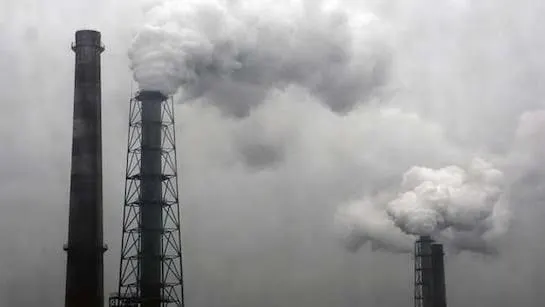
At the same time, areas outside the ORR, where these industries will be moved can be developed with proper pollution-control norms, zoning regulations, and sustainable infrastructure in place from the beginning. This shift in industrial geography, if handled with foresight, has the potential to create a dual ecological benefit: cleansing overburdened urban pockets and building clean, monitored industrial clusters elsewhere. Rather than treating this policy as a logistical headache, it should be seen as a long-term investment in Hyderabad’s air, soil, and water systems.
Conclusion:
The decision to move polluting industries beyond the ORR boundary isn’t just a policy, it’s a reflection of Hyderabad’s shifting priorities. The city is ready to breathe cleaner air, but it demands action over promises. If executed well, this relocation could become a benchmark for sustainable urban planning across India. However, the devil lies in the details: timely execution, transparent processes, and fair industry treatment will determine whether this policy becomes a milestone or a missed opportunity.
FAQs:
Industries identified as major polluters such as chemical plants, metal processing units, and heavy manufacturing factories are the main targets for relocation beyond the ORR.
While not yet confirmed, industry groups are pushing for support in the form of subsidies, tax incentives, and fast-track approvals at new locations.
A detailed relocation calendar is being developed, but early reports suggest a phased timeline of 12 to 24 months, depending on industry type and land availability.
Relocation will lead to reduced air and water pollution, safer residential areas, and overall improvement in public health and urban living conditions.
The government plans to enforce strict deadlines with legal backing. Non-compliance could lead to fines, license suspension, or forced shutdown of operations within ORR limits.