
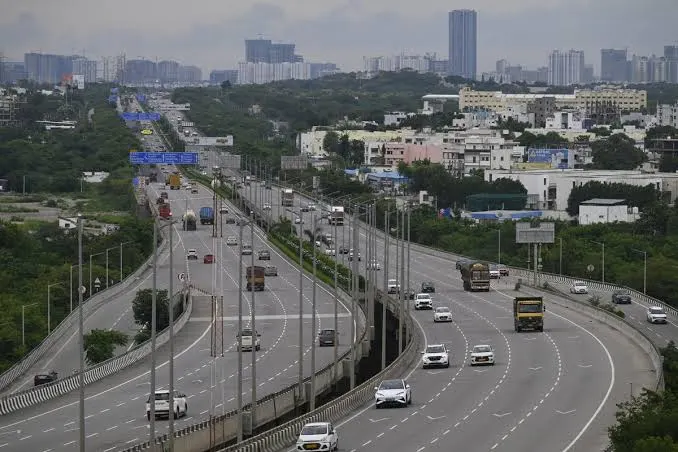
The Outer Ring Road (ORR) encircling Hyderabad is often praised as a triumph of modern urban planning, a 158 km expressway meant to streamline connectivity, reduce city congestion, and facilitate high-speed transport. But lurking beneath this efficiency is a devastating pattern of fatalities. In 2025 alone, over 30 lives have been lost on this road. Over the last five years, the death count has reached a chilling 369. It raises a painful question: Was this infrastructure engineered more for speed than for human safety?
The High-Speed Tragedy: Accidents That Shouldn’t Have Happened
Accidents on ORR Hyderabad, Telangana, often follow a disturbingly familiar trajectory speeding vehicles, misjudged turns, poor visibility, and absence of emergency preparedness. These crashes are not mere unfortunate events but preventable errors that stem from poor enforcement and user behavior combined with design blind spots.
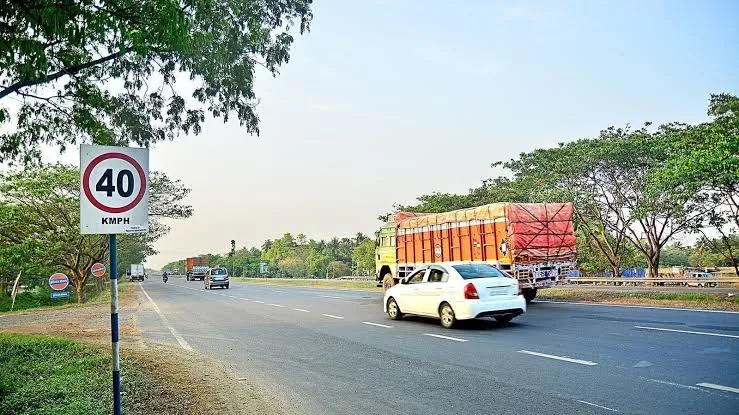
- Over 369 fatalities since 2020, 30+ in 2025 alone.
- High-speed zones lack consistent speed monitoring
- Emergency response time remains uncoordinated
- Many crashes happen late at night or early morning hours
- Road shoulders and service lanes are often misused
Despite ORR being technologically advanced, the lack of focus on human factors continues to take a deadly toll.
144.5 km Marker: A Kilometre of Death:
There’s one spot on the ORR that sends shivers down the spine of regular commuters, the 144.5-km milestone. Known grimly as the “death point,” this location has witnessed seven deaths and eight injuries in a short time frame. It’s not an inherently flawed design, but a combination of high-speed driving, sudden curves, and insufficient warning systems that make it dangerous.
In one of the most heartbreaking incidents this year, Deepesh Agarwal (23), along with two friends, met a tragic end here. Just hours earlier, they had been dreaming about an upcoming international trip. By dawn, they were victims of a horrific crash that turned their car into ashes.
This marker is now more than just a number; it’s a symbol of systemic neglect.
Neglected Emergency Infrastructure on the ORR:
One of the most pressing concerns with Hyderabad’s ORR is the sheer lack of emergency response infrastructure. When accidents occur, which they do with disturbing frequency, there is often a crucial delay in medical assistance, fire services, or police intervention. Victims of severe crashes have been known to lie on the road for extended periods, relying on passing vehicles or good Samaritans for help. This gap in the emergency ecosystem can mean the difference between life and death.
The ORR does not yet have a reliable network of trauma care units, ambulance bays, or SOS booths across its length. In some stretches, mobile networks are weak, further delaying distress calls. For a road that enables vehicles to travel at high velocities, the support systems in place for emergencies are shockingly inadequate. This mismatch between speed capability and rescue readiness is another sign that safety was not considered integral during the ORR’s planning.
Speed vs. Safety: An Engineering Dilemma
The ORR has technically sound, broad lanes, well-laid asphalt, and clear signage. But what it offers in infrastructure, it lacks in design empathy and enforcement.
- Long uninterrupted stretches with minimal monitoring
- Sparse use of safety warnings or digital speed signage
- Few safe stopping zones ora break lane
- Lack of AI-based alert systems for erratic driving patterns
A highway isn’t just about connecting two points; it’s about how safely people can travel between them. In the race to promote speed, ORR seems to have bypassed the very idea of sustainable road safety.
The Human Cost: Stories That Haunt
Every statistic on ORR fatalities is backed by real, unfinished lives. From young professionals and families to late-night travelers and delivery drivers, each fatality has left behind grieving parents, siblings, and communities.
Deepesh’s story is just one among many. A young software engineer didn’t make it back from his night shift. A mother and daughter duo were returning from a wedding. None of them expected a fast road to become their final journey.
The toll isn’t just emotional, it impacts livelihoods, mental health, and creates psychological fear among regular commuters. Safety isn’t a feature. It’s right. And on the ORR, it feels like that right has been compromised.
Why Speed Thrills But Also Kills?
Speed is a double-edged sword. While it offers quicker access and reduces traffic inside city limits, it also amplifies the danger when something goes wrong.
- Reaction time drops significantly beyond 100 km/h
- Minor driver errors lead to catastrophic outcomes
- High-speed impact increases fatality risk exponentially
- ORR lacks physical speed deterrents like rumble strips or chokers
Unlike highways in countries with strict enforcement, ORR doesn’t employ enough real-time monitoring tools. Drivers are left to their own devices, and for many, thrill overcomes caution.
Inadequate Driver Training and Enforcement:
Many drivers navigating the ORR are ill-equipped to handle high-speed driving, especially at night or during rain. From taxi operators to logistics fleet drivers, a significant number have never been trained in defensive driving or crash prevention techniques.
Driver licensing is often based on outdated road tests and insufficient education on speed management. Compounding this is a lack of:
- Continuous enforcement campaigns
- Randomized vehicle checks
- Penalty systems that make reckless driving costly
- Technology-based interventions like dashcam footage reviews or AI flagging of repeat offenders
Without a cultural and systemic shift toward road discipline, speed alone cannot be managed.
Steps Towards Safer Roads: Can ORR Be Fixed?
ORR can become safer, but it will require commitment from multiple agencies and stakeholders. Safety upgrades must not be reactionary but part of a strategic overhaul.
- Install speed cameras and radar detection systems every 5 km
- Create ‘safety zones’ at historically dangerous markers like 144.5
- Launch state-funded awareness programs, especially targeting young drivers.
- Set up AI-enabled traffic management centers for real-time monitoring
- Introduce emergency SOS booths and better lighting in isolated stretches
Ultimately, a safe ORR is not just about new technology; it’s about intent.
Poor Lighting and Visibility at Critical Stretches:
Another serious oversight along the ORR is the inadequate lighting, especially in accident-prone zones and underpasses. Many high-speed crashes take place in the early morning or late-night hours when visibility is naturally low. Without proper lighting, drivers are unable to see sudden curves, stationary vehicles, roadkill, or debris until it’s too late. This becomes even more dangerous during monsoon months, when rain and fog further limit visual range.
Despite the technological strides in expressway construction, the ORR’s lighting infrastructure remains spotty and inconsistent. Several stretches, particularly in outer suburban areas, are pitch dark at night. While installing floodlights and reflective signage might seem basic, they have yet to be universally applied. Until lighting is addressed with the urgency it deserves, the ORR will continue to be a high-speed corridor shadowed by danger.
Conclusion:
The Outer Ring Road was meant to be Hyderabad’s gateway to modern mobility, but it has become a cautionary tale. Each fatal crash chips away at public trust. Behind every accident is a family broken, a life cut short, and a city that still looks the other way. Hyderabad deserves better. Its citizens deserve roads that promise not just speed but safe passage. It’s time to re-engineer the ORR with human lives at its center, not just vehicles on the move.
FAQs:
It’s a known accident zone due to sharp curves, speeding, and poor visibility. Several fatal crashes have occurred here recently.
Speed limits are marked, but enforcement is inconsistent. There are few functional speed cameras or patrolling units.
Most drivers lack defensive driving training. Many commercial drivers are not equipped to handle expressway speeds.
While there are discussions and temporary awareness campaigns, comprehensive reforms are yet to be consistently implemented.
Yes, with better enforcement, intelligent surveillance, warning systems, and real-time alerts, ORR can be both fast and safe.