
A sudden leopard sighting near Manchirevula, close to Hyderabad’s Outer Ring Road (ORR), has created a wave of concern among residents and wildlife authorities. The Forest Trek Park, a popular spot for nature lovers and trekkers, has been closed indefinitely to ensure public safety. Authorities, led by the forest department, have launched a full-scale operation to track and safely capture the leopard, using advanced tools like camera traps and CCTV surveillance. This incident not only highlights the increasing instances of human-wildlife interactions but also raises questions about urban expansion into natural habitats.
Leopard Sighting: How It Happened?
The first confirmed sighting of the leopard occurred near the trekking zone of the Forest Trek Park, shocking both visitors and staff. The park authorities quickly evacuated the area, and forest teams began tracking the animal’s movements. Ranga Reddy district’s forest officer, Sudhakar Reddy, revealed that the leopard has been spotted multiple times in different parts of the park.
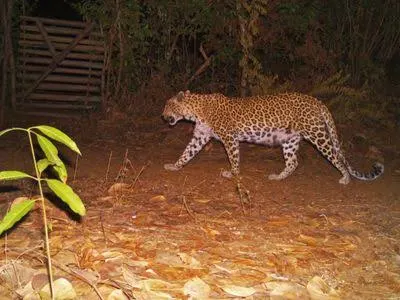
- Key surveillance steps taken:
- Installation of seven CCTV cameras around the trekking routes.
- Deployment of camera traps to monitor nocturnal movements.
- A trap cage placed strategically within the park.
The leopard’s unpredictable movements have made capturing it more challenging. If the animal remains in one area, officials expect a quicker resolution, but its tendency to roam is delaying the process.
Forest Trek Park Closure and Visitor Safety:
The Forest Trek Park near Manchirevula is a favored weekend spot, especially for those seeking a break from Hyderabad’s bustling city life in Telangana. However, after the sighting, the forest department immediately closed the park, prioritizing the safety of visitors. This decision, though disappointing for tourists, is a necessary precaution until the area is declared safe.
Visitors who had pre-planned treks have been advised to postpone their trips. Authorities have also increased patrolling around the ORR and adjacent forested regions. This temporary shutdown serves as a reminder of the delicate balance between nature and urban development, where human leisure activities sometimes intersect with wildlife territories.
Tracking Operations: Technology Meets Wildlife Conservation
To ensure the leopard is captured without harm, the forest department is using a combination of modern surveillance and traditional tracking techniques.
Key measures in place include:
- Motion-triggered camera traps to analyze the leopard’s movements.
- CCTV monitoring for real-time tracking of its location.
- Deployment of trained personnel and wildlife experts for ground operations.
This incident also highlights the increasing reliance on technology in wildlife management. Unlike older methods, modern tools help avoid direct confrontation with the animal, ensuring both human and animal safety.
Role of Forest Department and Rescue Teams:
The forest department, along with specialized rescue teams, is playing a critical role in ensuring both public safety and the leopard’s well-being. Trained wildlife personnel are patrolling the forested stretches near ORR and using expertise to analyze the leopard’s movement patterns. Coordination with local police and community volunteers has been established to prevent unauthorized entry into restricted zones.

These teams are also ensuring that no harm comes to the animal during the rescue operation. Instead of using aggressive methods, they rely on ethical wildlife rescue practices like luring the leopard into safe areas with food baits and tranquilizing it under controlled conditions. This collaborative approach ensures minimal disturbance to the leopard’s natural instincts while avoiding panic among the public.
Impact on Local Communities:
Residents living near ORR and the surrounding forest belt are understandably concerned. For many, the sudden sighting is a reminder that leopards, though elusive, are part of the local ecosystem. Children have been advised not to venture outdoors alone, particularly in early mornings and late evenings. Pet owners are also being extra cautious, as small animals are vulnerable to wild predators.
Local shopkeepers and trekkers who depend on park tourism for their livelihood have also felt the pinch of the park’s temporary closure. While safety remains the top priority, this incident emphasizes the need for better wildlife awareness and coexistence strategies in fast-developing urban areas like Hyderabad.
Why Do Leopards Appear Near Urban Spaces?
The leopard’s presence near Hyderabad’s ORR is not an isolated event. Experts believe shrinking forest cover, rapid urban expansion, and diminishing prey base push wild animals closer to human settlements. Hyderabad, with its mix of urban sprawl and forest pockets, is especially prone to such encounters.
Leopards are highly adaptable predators and often use green corridors near cities for movement. As real estate projects expand towards forest edges, these interactions are likely to rise unless better land-use planning and buffer zones are implemented.
Public Awareness and Safety Measures:
Authorities have issued several safety guidelines for the public until the leopard is captured:
- Avoid early morning or late evening walks near forested areas.
- Do not leave pets or livestock unattended.
- Report any sightings or unusual animal tracks to the forest department.
- Refrain from entering closed trekking routes or forest trails.
The forest department has also conducted awareness drives, explaining how the leopard is not naturally aggressive unless provoked.
Eco-Impact and Need for Habitat Preservation:
The leopard sighting is a strong indicator of how urban sprawl is affecting wildlife habitats around Hyderabad. With construction and deforestation creeping into natural areas, animals like leopards are being forced to wander closer to human settlements in search of food and shelter. This incident underscores the urgent need for better planning of eco-corridors and preservation of green zones.
Environmentalists have urged the government to strengthen wildlife protection measures and maintain buffer zones between forest parks and residential projects. Educating the public about respecting natural spaces and limiting human interference is vital. If proactive steps aren’t taken, similar encounters will likely become more frequent in the future.
Conclusion:
The leopard sighting near Hyderabad’s ORR serves as a crucial reminder of the thin line between urban expansion and wildlife habitats. While the Forest Trek Park remains closed, the incident has spurred conversations about coexistence, conservation, and safety. Authorities are hopeful that the leopard will be captured soon, allowing the park to reopen for visitors. Until then, this episode calls for greater respect for nature and responsible tourism around Hyderabad’s forested zones.
FAQs:
The park was closed after a leopard was spotted nearby to ensure visitor safety while tracking operations are ongoing.
Officials are using CCTV cameras, motion-triggered camera traps, and a trap cage to locate and capture the leopard.
Authorities advise avoiding forested zones near ORR until the leopard is captured, although major roads remain open.
So far, there have been no reports of the leopard attacking people, but precautions are being taken to prevent such incidents.
The park will reopen once forest officials confirm the leopard has been safely captured and the area is secure.