
A viral post on X comparing Bengaluru’s Outer Ring Road (ORR) and Hyderabad’s ORR has reignited public conversations about urban infrastructure in India’s major tech hubs. Shared by user @sudarshanindi, the post drew attention to the contrasting experiences of commuters in both cities. While Hyderabad’s ORR is praised for its world-class design and maintenance, Bengaluru’s counterpart has been criticized for potholes, poor markings, and endless traffic jams. The user’s plea for civic authorities to “do justice to Silicon City” struck a chord with thousands, turning a simple comparison into a powerful reflection on city planning and governance.
Hyderabad’s ORR: A Benchmark in Urban Planning
Hyderabad’s Outer Ring Road is widely recognized as one of India’s most efficiently designed expressways.
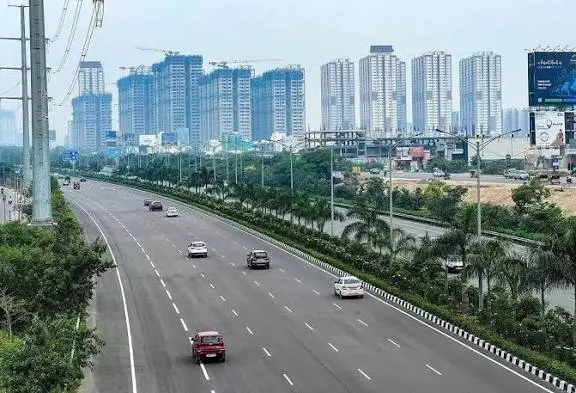
Stretching nearly 200 kilometers around the city, it provides quick and safe connectivity to major hubs such as Gachibowli, Shamshabad, and Patancheru.
Highlights of Hyderabad’s ORR include:
- World-class infrastructure: An eight-lane design allows vehicles to cruise smoothly at 120 km/h.
- Seamless connectivity: Around 20 well-marked exits reduce congestion and improve access.
- Cleanliness and upkeep: Regular maintenance ensures clear signage and well-tended medians.
- Safety standards: CCTV coverage and emergency lanes enhance commuter safety.
This road is not merely functional, it represents Hyderabad’s foresight in planning and sustainability. Many citizens describe driving here as a “stress-free experience,” a testament to the city’s efficient governance and infrastructural execution.
Bengaluru’s ORR: Reflecting the City’s Urban Struggles
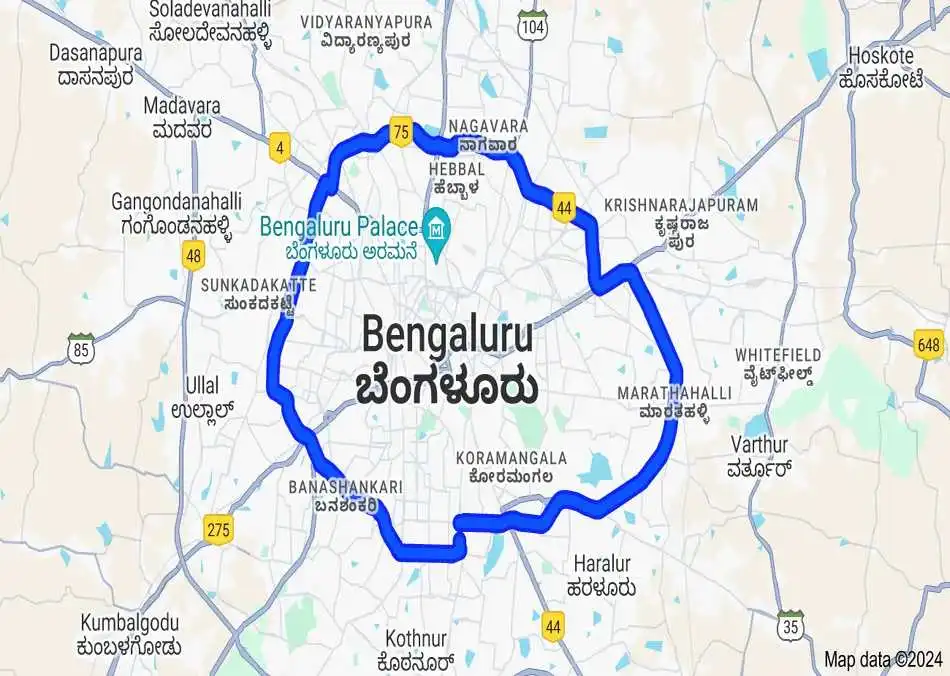
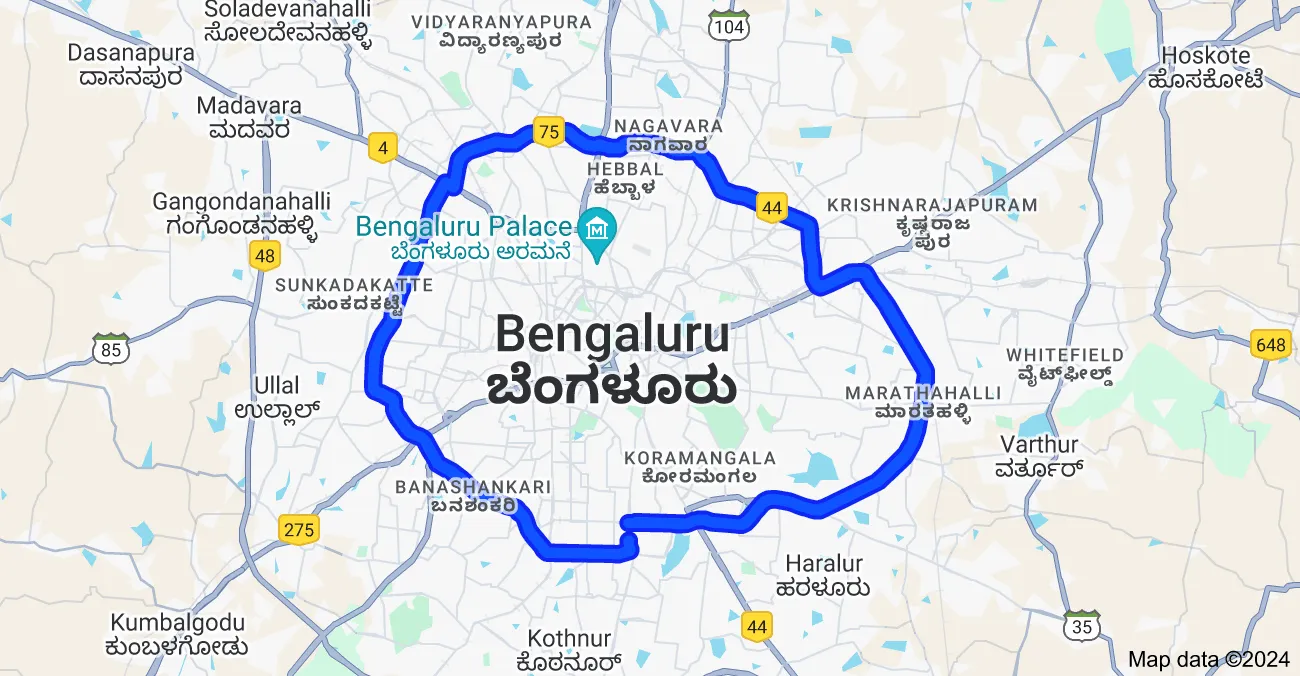
Bengaluru’s Outer Ring Road, though crucial for connecting its booming IT corridor, has become a symbol of the city’s infrastructural fatigue. Initially built to ease congestion, it now suffers from overuse and under-maintenance.
Concerns raised by commuters include:
- Overcrowded lanes: The stretch is packed beyond capacity, especially during office hours.
- Damaged surfaces: Potholes and patchy repairs make driving unpleasant and unsafe.
- Poor visibility: Faded markings and lack of lane discipline lead to frequent traffic confusion.
- Waste management issues: Littered sidewalks and uncollected debris add to the city’s chaos.
Despite being home to global tech giants, Bengaluru’s infrastructure appears mismatched with its economic stature. Residents urge civic bodies to prioritize better traffic management, timely repairs, and smarter expansion plans.
Major Differences Between Bengaluru and Hyderabad ORR:
| Aspect | Hyderabad ORR | Bengaluru ORR |
| Length & Design | ~200 km, eight lanes with 120 km/h speed limit | ~62 km, mixed lanes with uneven road width |
| Maintenance Quality | Clean, regularly maintained, and landscaped | Frequent potholes and poor surface quality |
| Traffic Management | Smooth flow due to limited entry points | Heavy congestion during peak hours |
| Safety & Signage | Clear markings, emergency lanes, CCTV monitoring | Faded markings, inconsistent signage |
| Urban Planning Approach | Built as a planned expressway encircling city outskirts | Evolved within dense urban sprawl over time |
This comparison highlights not just the physical differences but also the contrasting mindsets of city development. Hyderabad’s ORR reflects preemptive planning for future growth, while Bengaluru’s reflects reactive adaptation to rapid expansion.
Voices from Social Media: Public Opinion Divided
The online discussion following the post reveals both frustration and civic hope. Many users praised Hyderabad’s foresight and criticized Bengaluru’s lack of coordination between multiple authorities. One commenter wrote, “Hyderabad’s ORR is like an expressway in another country,” while another added, “In Bengaluru, only the name is outer, it’s inside the chaos now.”
However, some users defended Bengaluru, arguing that comparing the two is unfair since their city structures differ historically. Bengaluru’s ORR runs through dense IT hubs, while Hyderabad’s encircles open suburban regions, making maintenance easier.
Despite these arguments, the public consensus is clear: both cities deserve efficient infrastructure that matches their status as India’s technological powerhouses.
Governance and Policy Approaches Behind the Two ORRs:
One of the most telling contrasts between Bengaluru and Hyderabad’s ORRs lies in how each city’s administration approaches infrastructure governance. Hyderabad’s ORR falls under the supervision of the Hyderabad Growth Corridor Limited (HGCL), which operates under a dedicated framework for road maintenance, surveillance, and cleanliness. This centralized system ensures accountability and regular updates.
In contrast, Bengaluru’s ORR is managed by multiple authorities including the BBMP, BDA, and traffic police, leading to overlapping jurisdictions and slower decision-making. This fragmented governance model often delays repairs and improvements.
Some major distinctions include:
- Dedicated management in Hyderabad: One specialized body maintains consistency.
- Multiple agencies in Bengaluru: Coordination gaps result in inefficiencies.
- Budget priorities: Hyderabad allocates consistent funds for road upkeep, while Bengaluru often redirects resources to emergency projects.
- Technology use: Hyderabad uses smart surveillance and data-driven traffic systems, whereas Bengaluru still relies heavily on manual management.
- The result is a tale of two cities, one that invests in proactive upkeep and another that struggles with reactive maintenance cycles.
The Viral X Post That Sparked the Bengaluru vs Hyderabad ORR Debate:
The discussion around Bengaluru’s and Hyderabad’s Outer Ring Roads reached national attention when X user @sudarshanindi shared a post comparing the two cities’ infrastructure. His tweet featured images showing Hyderabad’s clean, smooth, eight-lane ORR alongside Bengaluru’s uneven, traffic-clogged stretches. The caption read:
“Not hating Bangalore, but pointing out the worst infra we have & how tired people are driving on these roads. Hope within a month, the Greater Bengaluru Authority does justice to Silicon City.”
The post immediately went viral, gathering thousands of reactions, likes, and shares. Users from both cities flooded the thread, turning it into a full-blown civic debate. Many agreed with Sudarshan’s observation that Hyderabad’s ORR symbolizes what efficient planning can achieve, while others defended Bengaluru, citing historical limitations and rapid urban expansion
Some Bengaluru residents admitted frustration but highlighted that the ORR is surrounded by major IT parks, making congestion inevitable. Hyderabad residents, on the other hand, proudly noted that their ORR was built with foresight, ensuring smoother connectivity and cleaner surroundings.
The viral exchange wasn’t just a regional comparison, it became a nationwide conversation about urban priorities, governance quality, and the importance of foresight in infrastructure development. The user’s call for “justice to Silicon City” now stands as a rallying cry for better planning and civic accountability across India’s fast-growing metros.
The Role of Urban Planning and Expansion:
Urban design plays a central role in determining how roads evolve. Hyderabad’s ORR was developed as part of a long-term master plan to support future growth and decentralize traffic. By keeping industrial, residential, and IT zones connected through wide corridors, the city created a balanced urban sprawl.
Bengaluru’s ORR, however, developed organically as tech parks and office spaces mushroomed around it. Without coordinated zoning, this rapid expansion led to traffic bottlenecks and infrastructure stress.
Key observations include:
- Proactive design in Hyderabad: Planned before traffic overload.
- Reactive growth in Bengaluru: Developed around unplanned commercial clusters.
Hyderabad’s Metro and Airport connectivity align with ORR exits, while Bengaluru’s metro expansion is still catching up. Hyderabad encouraged industries along ORR outskirts; Bengaluru still concentrates growth near existing hubs.
This difference underlines the importance of foresight in city design and its direct impact on the quality of urban life.
Public Reactions and the Call for “Justice to Silicon City”:
The viral post that started this discussion resonated deeply because it echoed what many residents already felt, Bengaluru’s infrastructure has not kept pace with its ambitions. The phrase “justice to Silicon City” became symbolic of the demand for better governance, accountability, and empathy for daily commuters.
The debate also inspired citizens to share positive suggestions ranging from increasing lane discipline to introducing toll-funded maintenance programs. For many, this conversation wasn’t about rivalry, but about reclaiming civic pride.
Social media users continued to voice their grievances:
- “I love Bengaluru, but driving here feels like a punishment,” one user remarked.
- Another said, “We are the tech capital, but we can’t fix basic roads.”
- A Hyderabad commuter added, “Our ORR shows what planning and pride can achieve.”
Lessons and Future Outlook:
If Bengaluru wishes to reclaim its image as a city of progress, it must learn from Hyderabad’s model. Consolidating management under one authority, improving real-time monitoring, and investing in preventive maintenance are crucial next steps. The proposed Peripheral Ring Road (PRR) project could also help reduce ORR congestion if executed properly.
Hyderabad, meanwhile, must continue its momentum by maintaining standards as urbanization accelerates. Its ORR success offers valuable insights for other Indian metros, showing how planning today prevents chaos tomorrow.
Both cities serve as contrasting case studies: one representing proactive governance, the other revealing the cost of urban neglect. Together, they highlight India’s urgent need for sustainable, long-term infrastructure strategies.
Conclusion:
The Bengaluru vs Hyderabad ORR comparison goes far beyond asphalt and traffic lights, it reflects two distinct urban philosophies. Hyderabad’s foresight, planning, and single-agency management created a road network that symbolizes progress. Bengaluru’s ORR, though historically significant, now stands as a reminder of what happens when infrastructure growth lags behind economic expansion.
The viral post acted as a wake-up call, urging authorities to restore pride to the “Silicon City.” If lessons are learned and reforms implemented, both cities can evolve together, setting new benchmarks for smart urban living in India’s rapidly growing metropolises.
FAQs:
Hyderabad’s ORR is admired for its design efficiency, eight-lane layout, high-speed connectivity, and consistent maintenance managed by HGCL. It reflects long-term urban planning with sustainability in mind.
Bengaluru’s ORR struggles with potholes, lack of lane markings, poor cleanliness, and severe traffic congestion due to unplanned urban sprawl and multiple managing authorities.
Hyderabad’s ORR spans about 200 km, forming a full city loop, while Bengaluru’s ORR measures roughly 62 km, covering key tech and residential corridors.
Yes. The city plans to integrate metro connectivity, implement better drainage systems, and launch the Peripheral Ring Road project to ease congestion and improve flow.
The key takeaway is that consistent governance, integrated planning, and proactive maintenance lead to lasting infrastructure success—something every growing city in India should prioritize.