
The recent spell of heavy rains in Hyderabad created havoc on the Outer Ring Road (ORR) and its adjoining service roads, leaving large stretches submerged and unusable. Barricades were put up for safety, forcing commuters to take long detours, especially around Narsingi and Kokapet. After days of continuous pumping and clearance work, the service roads have finally reopened, much to the relief of thousands of daily travelers. This reopening not only eases traffic congestion but also restores crucial connectivity to important destinations like the Rajiv Gandhi International Airport.
Immediate Impact of Flooding on ORR Service Road:
The downpour that lashed Hyderabad, Telangana, overwhelmed drainage systems and reservoirs, forcing water into low-lying areas of the ORR service road. The Narsingi–Telangana State Police Academy stretch and the route from Nandi Statue to Greyhounds were hit the hardest.
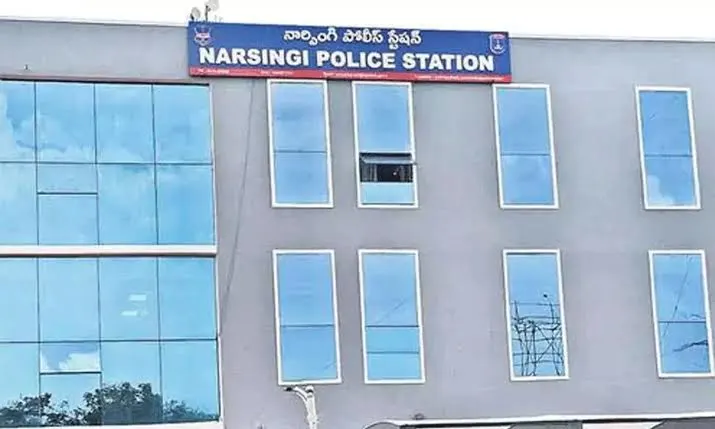
Barricades were placed for public safety, and traffic police diverted vehicles away from flooded sections.
Points that highlight the immediate impact:
- Exit 18A was shut down, affecting airport-bound traffic.
- Floodwaters from Gandipet reservoir overflowed onto service roads.
- Commuters faced long waits and congestion on alternative routes.
- Residents in Narsingi and Kokapet struggled with limited access to main roads.
- Commercial vehicles faced delays, hitting supply schedules.
This disruption reminded citizens of how vulnerable the city’s infrastructure still is when nature strikes with intensity.
Dewatering Efforts and Road Clearance:
Once the rain eased, city authorities began large-scale dewatering operations. Pumps were deployed to remove stagnant water from service roads, and silt was cleared to restore road usability. Barricades that had been placed for days were gradually removed, and normal traffic flow resumed on Sunday.
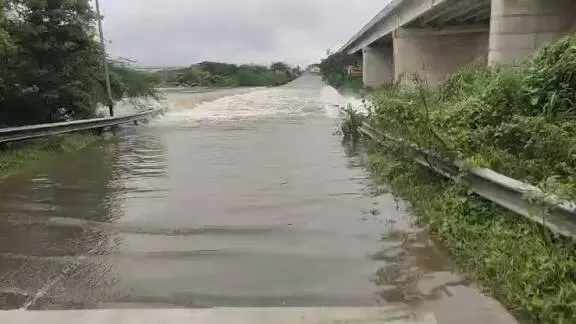
The process involved:
- Deployment of heavy-duty pumps to drain accumulated water.
- Clearance of debris and sludge left behind by the floodwater.
- Inspection of inflow bridges, including the Royal Function Hall road and Manchidevula village route.
- Reopening of stretches only after structural checks ensured safety.
Commuters expressed relief at the reopening, with many pointing out that timely response prevented prolonged closure. However, some spots near Narsingi remained partially blocked due to heavy silt, showing that complete clearance will take more time.
Economic Impact of Road Closure on Local Businesses:
The temporary shutdown of the ORR service road had a visible impact on the economic activity in surrounding neighborhoods. Many small businesses, including roadside eateries, petrol bunks, and convenience stores, reported a sharp fall in daily sales as traffic was diverted to alternate routes. Shops that depended on commuters stopping for quick purchases struggled to stay afloat during the closure.
Delivery services too faced delays, which in turn affected local restaurants and online orders. Even cab drivers and auto rickshaw operators suffered because trips to the airport took longer, leading to fuel wastage and fewer completed rides. This incident highlighted how closely the local economy is tied to the smooth functioning of these roads. While the reopening has revived activity, businesses remain concerned about the recurring nature of these closures every monsoon season.
Connectivity Restored for Airport and Residential Areas:
Perhaps the biggest relief came for passengers and residents traveling toward Rajiv Gandhi International Airport. The closure of Exit 18A had forced people to drive longer distances, causing stress and delays. With the service road functional again, movement toward key hubs such as Narsingi, Kokapet, and the airport has returned to normal.
Benefits of restored connectivity include:
- Airport-bound travelers now save crucial time.
- Reduced congestion on alternative internal roads.
- Smooth passage for buses and cabs operating in Cyberabad.
- Better access for emergency vehicles and daily commuters.
- Restoration of routine life for residents in nearby gated communities.
The reopening of these service roads ensures that businesses, offices, and families depending on daily travel face fewer disruptions in their schedules.
Challenges Faced During the Waterlogging:
The flooding of the ORR service road was not just an inconvenience but a major challenge for the city’s civic bodies, commuters, and traffic police. With the Gandipet reservoir gates being lifted to control inflow, the service road bore the brunt of the excess water. The drainage system in the area was unable to handle the sudden pressure, resulting in prolonged water stagnation.
Daily struggles included:
- Motorists are stranded in long queues due to blocked roads.
- Two-wheeler riders are forced to take unsafe shortcuts through inner lanes.
- Emergency services facing delays in reaching hospitals and residential colonies.
- School buses rerouting and children reaching late to classes.
- Commercial deliveries slowed down, affecting local businesses.
This situation revealed how quickly urban infrastructure can become strained when heavy rains and reservoir management coincide. Many citizens voiced frustration over the lack of preparedness, noting that this was not the first time the ORR service road had been submerged.
Role of Traffic Police in Managing Diversions:
During the flooding crisis, the Hyderabad traffic police played a crucial role in ensuring that chaos did not spiral out of control. Officers were stationed at critical points such as Narsingi junction and the approach roads to ORR. Their job was not just to block flooded stretches but also to guide commuters toward safer alternative routes.
Key contributions of traffic police:
- Timely barricading of high-risk stretches to avoid accidents.
- Setting up diversions that linked commuters back to functional stretches.
- Continuous updates through social media and FM radio for awareness.
- Assistance to stranded motorists in rerouting during peak hours.
- Coordination with GHMC and Cyberabad police for joint operations.
While many drivers experienced delays, they acknowledged the tireless efforts of officers who worked in rain-soaked conditions to keep traffic flowing as smoothly as possible.
Community Response and Local Concerns:
Residents of Narsingi, Kokapet, and nearby areas were directly impacted by the closure. Families living in gated communities along the ORR had to adjust their routines, and local shopkeepers reported a dip in footfall during the flooded days. The reopening of the road brought relief, but citizens also demanded more long-term measures.
Concerns raised by the community included:
- Fear of repeated flooding every monsoon.
- Safety of pedestrians, as parts of the footpath had been washed away.
- Delays in emergency response due to blocked service roads.
- Economic losses for small businesses dependent on local traffic.
- The need for permanent drainage solutions rather than temporary pumping.
Community voices highlighted that while relief efforts were appreciated, sustainable solutions were necessary to ensure that the ORR service road does not turn into a seasonal bottleneck.
Psychological Relief for Daily Commuters:
For thousands of regular travelers, the reopening of the service road brought not just convenience but also a sense of psychological relief. During the days of closure, many commuters dealt with anxiety over being late to work, missing flights, or facing long detours through unfamiliar inner roads.
The stress was particularly evident among parents who had to rearrange school timings for their children and professionals working under strict deadlines. With the road now operational, there is a return of normalcy and confidence in daily travel. This relief is more than just practical, it restores faith in the city’s ability to handle crises and reinforces the importance of quick government action in reducing uncertainty during emergencies.
Preventive Infrastructure Upgrades for the Future:
The recent flooding has sparked conversations about the need for stronger preventive measures along the ORR service roads. Engineers and civic officials agree that while dewatering and barricading help in emergencies, they are not permanent fixes. The city must adopt durable solutions to avoid such disruptions in the future.
Steps under consideration and demanded by locals:
- Expansion of stormwater drains to carry excess flow more efficiently.
- Laying of new pipelines to connect low-lying stretches to reservoirs.
- Regular desilting of drains before the onset of monsoon.
- Installation of permanent pumping stations in vulnerable zones.
- Reconstruction of footpaths and sidewalls to prevent washouts.
Implementing these upgrades will require budget allocations and coordinated efforts between GHMC, HMDA, and irrigation departments. For commuters, these works may cause temporary inconvenience, but in the long run, they promise smoother and safer travel.
Long Term Traffic Planning on ORR Stretches:
Apart from drainage solutions, the flooding has once again emphasized the importance of traffic planning. Service roads around Narsingi and Kokapet cater to both residential commuters and airport-bound traffic, making them highly sensitive zones during emergencies. Long-term planning will help reduce the strain whenever such incidents occur.
Proposals for sustainable traffic flow:
- Developing parallel service lanes in vulnerable stretches.
- Building flyovers or elevated corridors to bypass flood-prone roads.
- Designing smart traffic signals that respond to diversions.
- Maintaining a dedicated disaster response unit for ORR traffic.
- Involving resident welfare associations in planning discussions.
These measures would not just help during floods but also improve daily commuting experiences for thousands of vehicles that rely on these stretches.
Conclusion:
The reopening of the flooded ORR service road has come as a huge relief for commuters, residents, and businesses in Cyberabad. While quick dewatering efforts and traffic management eased the crisis, the episode has highlighted the urgent need for preventive infrastructure and long-term planning. Citizens want more than temporary relief, they seek assurance that such incidents will not paralyze the city repeatedly. With better coordination, advanced drainage systems, and smarter traffic design, Hyderabad can turn this challenge into an opportunity to future-proof its urban growth.
FAQs:
It was closed due to heavy flooding caused by rains and the release of water from the Gandipet reservoir, which left stretches of the road submerged.
The Narsingi–Telangana State Police Academy stretch, the road from Nandi Statue to Greyhounds, and Exit 18A were the worst-hit sections.
Traffic police diverted vehicles through alternate routes, though this caused delays and congestion for residents and airport-bound passengers.
Authorities are planning expanded drainage systems, permanent pumping stations, and stronger stormwater management infrastructure.
Yes, most stretches have reopened for traffic, easing travel toward the airport and residential areas, though minor silt clearance is still ongoing in some zones.