
In a significant move aimed at protecting Hyderabad’s environment and improving residents’ quality of life, Deputy Chief Minister Bhatti Vikramarka Mallu has pressed for the rapid relocation of polluting industrial units beyond the Outer Ring Road (ORR), Hyderabad Telangana. His call reflects growing concerns about the health risks and environmental damage caused by industries operating close to residential and ecologically sensitive zones. The directive came during a high-level review meeting alongside Minister Uttam Kumar Reddy and other key government officials, where revenue generation and urban planning strategies were also discussed.
This initiative is not just about compliance, it’s about envisioning a cleaner, safer city that balances economic growth with environmental stewardship.
Deputy Chief Minister Bhatti Vikramarka Mallu:
Bhatti’s statement during the review meeting was more than just an administrative suggestion, it was a clear push for action. With Hyderabad’s population expanding and urban spaces pressing against industrial zones, the need to remove hazardous operations from the ORR area has become urgent.\
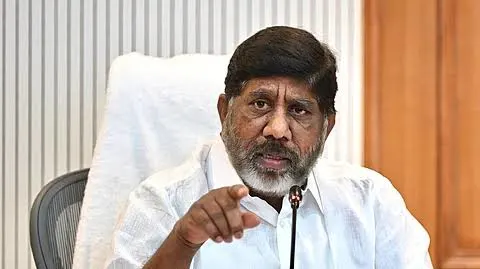
Key points of the directive include:
- Immediate identification of polluting industries operating within ORR limits.
- Coordinated relocation plans with timelines and accountability.
- Support for industries to find suitable alternative locations outside the urban zone.
- Integration of environmental clearance protocols to ensure no further violations occur.
- Protection of public health by reducing air, water, and soil contamination.
By treating this as a time-bound priority, Bhatti is sending a strong message that industrial progress cannot come at the cost of environmental neglect.
Role of the Cabinet Sub-Committee in Implementation:
The Cabinet Sub-Committee on Revenue Resource Mobilization plays a pivotal role in making this relocation plan a reality. While its primary function involves boosting revenue streams, it also oversees projects that affect Hyderabad’s long-term urban sustainability.
Committee actions include:
- Reviewing departmental coordination between Industries, Pollution Control Board, and Urban Development authorities.
- Evaluating infrastructure readiness in potential relocation zones.
- Offering fiscal incentives or subsidies to industries willing to relocate promptly.
- Ensuring compliance through regular monitoring and audits.
The committee’s approach blends economic prudence with environmental responsibility, aiming for a plan that safeguards livelihoods without compromising on pollution control.
Impact on Hyderabad’s Long-Term Urban Planning:
Relocating polluting industries beyond the ORR is not just a short-term clean-up effort, it’s a long-term urban planning strategy. Hyderabad is rapidly expanding, and without proper zoning, industrial growth can clash with residential and commercial development. By moving these industries outside the ORR, the government can reclaim valuable land within the city for green spaces, housing projects, and public infrastructure.
This shift will also help maintain a clear distinction between industrial, commercial, and residential zones, reducing conflicts over land use. In the long run, this decision could shape Hyderabad into a more organized and environmentally conscious metropolis, making it a model for other cities struggling with similar challenges.
Addressing Environmental Concerns in the ORR Region:
The ORR was envisioned as more than just a traffic corridor, it was meant to create a green buffer around the city. Unfortunately, industrial expansion within its limits has led to multiple environmental stress points.
Industrial emissions, untreated effluents, and improper waste disposal have been linked to deteriorating air quality, water contamination, and loss of biodiversity. Relocating these units is not merely a relocation exercise, it’s a step toward restoring Hyderabad’s ecological balance. The shift could also free up land for green zones, recreational spaces, and eco-friendly infrastructure, directly benefiting nearby communities.
Challenges in Relocating Polluting Units:
While the vision is clear, the road to execution has its share of hurdles.

Primary challenges include:
- Industrial resistance: Companies may be reluctant to relocate due to costs and logistical hurdles.
- Land acquisition: Finding affordable, well-connected sites outside the ORR is a complex task.
- Job concerns: Workers may face difficulties commuting to new sites, raising concerns about employment continuity.
- Regulatory delays: Environmental clearance processes can prolong timelines if not streamlined.
Overcoming these issues will require proactive government-industry collaboration, attractive relocation packages, and a well-defined transition strategy.
Coordination Between Departments of Telangana:
For the relocation to succeed, smooth inter-departmental coordination is non-negotiable. The Finance Department Telangana , Commercial Taxes, Mining, Energy, and Housing Board have roles to play, as each decision impacts infrastructure, funding, and regulatory approvals.
The meeting chaired by Bhatti and attended by top bureaucrats, including Principal Secretaries and Department Commissioners, highlights the seriousness of the matter. Cross-departmental synergy will be crucial in ensuring that the plan doesn’t just remain on paper but translates into visible action.
Potential Economic and Social Benefits:
Relocating polluting units could open the door to multiple long-term benefits:
- Cleaner air and water, leading to better public health.
- Increased property values in residential areas currently affected by industrial pollution.
- Improved industrial compliance, strengthening Hyderabad’s environmental reputation.
- New economic zones outside the ORR, which could spur balanced regional growth.
These benefits could outweigh the immediate costs, making this shift an investment in the city’s sustainable future.
Role of Public Awareness and Community Engagement:
While government directives are essential, community involvement can accelerate the relocation process. Local residents, environmental groups, and civic bodies have a vital role in monitoring industrial pollution and holding both companies and authorities accountable.
Public awareness campaigns can help people understand the benefits of moving polluting units, such as improved health outcomes, cleaner surroundings, and sustainable development. When communities are well-informed, they are more likely to support relocation initiatives and collaborate with officials. This collective effort can ensure that the process is not only completed swiftly but also maintains public trust and transparency throughout.
Conclusion:
Bhatti Vikramarka’s strong stance on relocating polluting industries outside the ORR underscores a growing recognition that urban growth must align with environmental protection. The move could redefine Hyderabad’s developmental model, ensuring that industrial progress and ecological preservation go hand in hand. If implemented swiftly and effectively, it will not only address pressing pollution concerns but also set a precedent for other rapidly urbanizing Indian cities.
FAQs:
To reduce environmental hazards, protect public health, and ensure urban development follows sustainable practices.
The Cabinet Sub-Committee on Revenue Resource Mobilization, along with relevant government departments and local authorities.
Yes, possible incentives and logistical support may be provided to ensure smooth relocation without economic disruption.
Residents can expect improved air and water quality, reduced noise pollution, and better living conditions.
While no fixed public timeline has been declared, Bhatti has emphasized urgency, indicating plans will move forward quickly.