
Hyderabad’s relationship with water is shifting urgently. Amid delayed monsoons and rising tanker bookings, the Hyderabad Metropolitan Water Supply and Sewerage Board (HMWSSB) has made a decisive move: homes within 200 yards of the Outer Ring Road (ORR) and properties over 300 square yards must now install rainwater harvesting (RWH) pits. This directive isn’t just policy, it’s a plea to homeowners to help secure the city’s dwindling groundwater future.
The Reason Behind the Mandate: From Dry Borewells to Data-Driven Action
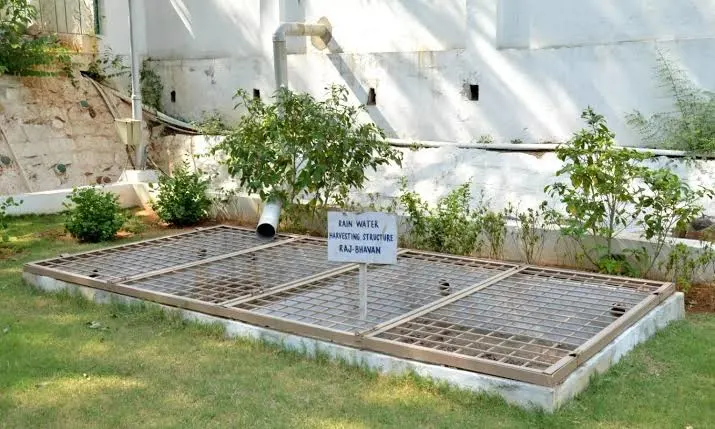
Water is becoming scarcer not in abstract terms, but in real, daily inconveniences. Borewells that once served entire communities have run dry or become contaminated. The Telangana HMWSSB didn’t issue this mandate lightly. It was the outcome of a detailed survey covering 42,000 homes across Hyderabad, revealing that over half lacked functional rainwater harvesting systems.
Why this matters now:
- Groundwater levels have stagnated or dropped sharply due to delayed rains.
- Residential colonies with high tanker bookings last year were found to be the worst affected.
- Many rainwater pits, where present, had been neglected or were dysfunctional.
This isn’t just about compliance, it’s about futureproofing. Mandating rainwater pits is a direct response to alarming field data and a drying cityscape.
What the New Rule Means for Homeowners Near ORR?
If your home falls within 200 yards of the ORR or spans more than 300 square yards, the mandate applies to you. This means that irrespective of whether you have access to municipal water or rely on tankers or borewells, you’ll need a rainwater harvesting pit.
Key requirements:
- All eligible properties must construct a pit during the rainy season.
- The ideal pit size and method are determined based on plot area and soil absorption rate.
- Non-compliance will lead to official notices and possible penalties.
The mandate comes as part of a 90-day campaign, not just to enforce the rule, but to educate and assist residents. Awareness drives, technical guidance, and even help from NGOs are being offered. This is not just an order,.it’s a collective push to restore hydrological balance.
A Community Campaign Fueled by Government and NGOs:
This initiative is not about forcing homeowners to act, it’s about enabling them. Under instructions from CM Revanth Reddy and Minister Ponnam Prabhakar, HMWSSB has launched a focused 90-day campaign involving door-to-door visits, awareness sessions, and on-ground support.
What’s happening on the ground:
- Over 12,000 rainwater harvesting trenches have already been repaired or constructed.
- NGOs are helping communities identify the best methods for implementation.
- 16,000+ homes have been served notices for non-compliance.
The campaign blends governance with grassroots action. It’s not just policy implementation, it’s about creating a behavioral shift. Rainwater harvesting is being rebranded not as an optional eco-practice, but as civic responsibility.
Long-Term Benefits of Rainwater Harvesting for Homeowners:
While the mandate may seem like a regulatory burden at first, the long-term benefits of rainwater harvesting are substantial both environmentally and financially. For starters, rainwater pits help replenish the groundwater table, ensuring borewells stay functional during dry months. This reduces the need to rely on costly water tankers, which can add thousands of rupees to monthly expenses during peak summer. Over time, homes with well-maintained rainwater harvesting systems see an increase in water self-sufficiency. For families that use groundwater for gardening, washing vehicles, or even household use (through filtration), this becomes an invaluable resource.
Additionally, having an RWH system in place adds value to your property. More housing societies and individual buyers are now looking for sustainable features when investing in homes. With water becoming a premium utility, homes that demonstrate water conservation mechanisms are viewed as more resilient and future-ready. What seems like an extra effort now could very well be a strong asset a few years down the line.
Water Tanker Dependency: Why This Band-Aid Solution Isn’t Sustainable
Hyderabad supplied a staggering 11,000 water tankers daily during the peak summer. That’s more than a logistical feat, it’s a reflection of the water crisis beneath our feet. While HMWSSB is confident in its current supply capacity, the stress on resources is mounting.
Current tanker statistics:
- July tanker bookings already surpassed last year’s numbers.
- Current daily demand stands at 8,600 tankers, with 3,000 in buffer.
- Areas without rainwater harvesting pits form the bulk of these requests.
Tanker dependency might serve the present, but it’s costly, unsustainable, and environmentally taxing. The government isn’t just mandating pits for optics, they’re aiming to reduce tanker reliance and make every home a micro-reservoir.
Why is Monsoon the Perfect Time to Dig In Telangana?
Ashok Reddy, Managing Director of HMWSSB, emphasized the significance of timing. Monsoon rains may be delayed, but when they do arrive, they present a unique opportunity every drop captured now is a crisis averted later.
Why this season is ideal:
- Soil is easier to excavate due to moisture levels.
- Natural water inflow can be observed and optimized.
- Homeowners can test efficiency during actual rains.
More importantly, constructing a harvesting pit now means being prepared not just for this year, but for many years to come. This rainy season, your backyard can become part of Hyderabad’s water solution.
Challenges Homeowners Might Face and How to Overcome Them?
Implementing rainwater harvesting pits, especially for the first time, can come with its own set of challenges. Many homeowners worry about the lack of technical knowledge or space constraints, particularly in older homes or already congested areas. Some are also concerned about maintenance pits can get clogged with debris, and neglected ones can even become breeding grounds for mosquitoes if poorly designed. However, most of these issues can be easily managed with planning and proper guidance.
To begin with, the Hyderabad Water Board offers design templates and technical support to guide homeowners. Even if space is tight, smaller versions of RWH systems can be implemented that still serve their purpose. NGOs and civic bodies are also available for consultations. As for maintenance, simple measures like installing grates, cleaning the inlet regularly, and using silt traps can go a long way in keeping the system effective. What’s most important is not to delay starting now means you’ll be better prepared for the coming seasons.
Conclusion:
This mandate is not about bureaucracy, it’s about survival. Hyderabad is at a tipping point. With borewells failing and tanker demand surging, rainwater harvesting is no longer optional. It’s urgent. It’s essential. Each rainwater harvesting pit is a small act of resilience, a vote for water security. Whether you’re a homeowner near the ORR or part of a residential association in the city, this is the moment to step up. The rain will come. The question is: will we be ready?
FAQs:
Homes located within 200 yards of Hyderabad’s ORR and properties over 300 square yards are required to install rainwater harvesting pits, regardless of their water source.
HMWSSB will issue official notices, and repeat non-compliance could lead to penalties or denial of municipal services like water supply or approvals for property modifications.
Yes. The Water Board has partnered with NGOs to provide guidance, manpower, and awareness materials. There are also technical drawings and recommendations available through HMWSSB’s official channels.
Yes. The rule is applicable based on your plot’s location and size, not on your current water supply source.
Depending on size and soil conditions, construction costs can range from ₹3,000 to ₹15,000. However, the long-term savings on tanker water and sustainability make it a smart investment.