
A tragedy has sparked a fresh wave of regulatory introspection in Telangana. After seven people reportedly died due to consuming adulterated toddy in Hyderabad, the state government is actively reconsidering a ban on toddy shops within the Outer Ring Road (ORR) limits. This is not the first the state had enforced a similar prohibition in 2004. However, the resurgence of toddy compounds in urban areas has reignited concerns about public safety and unregulated liquor trade. This article explores why the government is rethinking its stance, what challenges are involved, and what this could mean for consumers, tappers, and law enforcement alike.
Why Telangana Is Rethinking the Ban on Toddy Shops?
The recent spate of deaths due to suspected spurious toddy has made one thing clear: oversight mechanisms are failing. For a city that prides itself on rapid development and urban sophistication, the presence of hazardous brews right within city limits is deeply troubling. The government now finds itself pressured to act, with public safety at stake and media scrutiny intensifying.
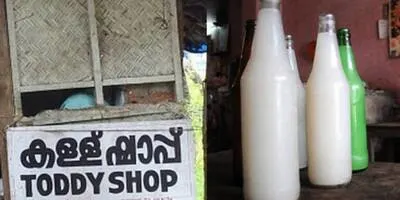
- Public outcry has placed immediate attention on the state’s alcohol monitoring systems.
- Previous bans had helped control the situation but were revoked after Telangana’s formation.
- Urban growth has outpaced regulatory checks, allowing toddy shops to mushroom across districts like Medchal, Saroornagar, and Shamshabad.
This isn’t just about toddy, it’s about public trust and the credibility of safety systems.
Revisiting the 2004 Ban:
Back in 2004, then Chief Minister YS Rajasekhara Reddy imposed a citywide ban on toddy compounds in Hyderabad and Secunderabad after a similar fatality event. It worked, to some extent. But political transitions and evolving excise policies post-Telangana formation led to the relaxation of restrictions.
- In 2004, toddy was viewed as a rural tradition gone rogue in urban zones.
- After Telangana was formed, the BRS government reinstated toddy sales within ORR limits, viewing it as a source of livelihood for tappers.
- Now, with nearly 454 toddy compounds across Hyderabad and adjoining areas, the scale is much bigger and so is the risk.
So while the conditions that led to the 2004 ban mirror today’s situation, the operational footprint has significantly expanded.
Tree for Toddy Licences: The Structure and the Loopholes
The Tree for Tappers (TFT) licensing system was designed to empower individual tappers or cooperative societies. It was a decentralised model, offering autonomy and livelihood. However, this very decentralisation is now under scrutiny.
- TFT licences are issued to either individual tappers or cooperatives, bypassing the older Toddy Cooperative Societies (TCS) model.
- These licences were seen as a tool for empowering rural workers, but lack of oversight has turned some of these units into unsafe operations.
- Areas like Medchal, Shamshabad, and Malkajgiri have reported higher concentrations of toddy shops operating under TFT licences.
The government is evaluating whether revoking these licences could be a corrective step toward public safety.
Health Hazards Linked to Adulterated Toddy Consumption within ORR:
One of the most alarming reasons behind the reconsideration of the toddy ban is the growing evidence of severe health risks associated with adulterated toddy. The recent deaths were not isolated cases but part of a disturbing trend where toddy is laced with sedatives and harmful chemicals to intensify its effect. Substances like alprazolam and diazepam, typically used for psychiatric treatment, are being illegally mixed into toddy, turning a traditional drink into a potentially fatal concoction. For unsuspecting consumers, especially daily wage workers or the urban poor who rely on toddy as an affordable intoxicant, this has become a silent killer.
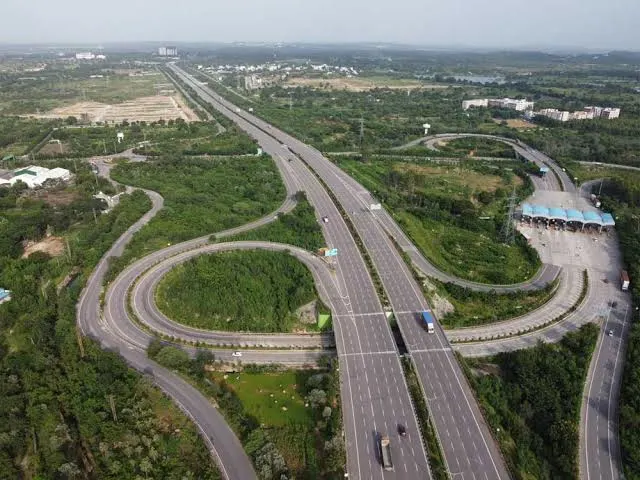
The health impact goes beyond immediate symptoms: regular intake of chemically altered toddy can lead to liver failure, neurological issues, and even sudden cardiac arrest. Hospitals in ORR-adjacent areas have reportedly seen a spike in toddy-related health emergencies over the past year. Medical professionals have raised red flags, urging authorities to intervene before the situation spirals further. In this context, the proposed ban isn’t just about regulation, it’s about preventing a looming public health disaster.
Enforcement Challenges: A Battle on Multiple Fronts
Even with stricter policies, implementation remains a major obstacle. Agencies like the Prohibition & Excise Department, Telangana Police, and even anti-narcotics units are reportedly overwhelmed.
- The EAGLE surveillance team, set up recently, is struggling to track and trace chemical adulteration in toddy.
- Substances like alprazolam and diazepam, used to spike toddy for stronger intoxication, have made enforcement far more complex.
- Coordinated action is required between multiple departments, but jurisdictional overlaps and lack of real-time data are slowing down action.
This isn’t just about alcohol regulation anymore, it’s a matter of urban law enforcement and public health.
Socio-Economic Impact on Toddy Tappers:
While consumer safety is a priority, any proposed ban will directly impact hundreds of tappers who depend on toddy for their livelihoods. The industry regulated or not feeds families.
- Around 390 societies and 454 toddy compounds currently operate across Hyderabad, Medchal, and Rangareddy.
- A sudden clampdown could leave tappers unemployed, creating new socio-economic challenges.
- The government might need to consider rehabilitation packages or alternative employment programs for affected workers.
This is a classic policy dilemma. How to balance public safety with economic welfare.
Political Overtones and Public Perception:
The timing of the ban consideration is politically significant. With elections looming in the next year, every move by the Telangana government will be viewed through a political lens.
- The legacy of the 2004 ban and its association with public safety could sway public opinion.
- The opposition parties are already raising concerns about lax enforcement and regulatory negligence.
- The government has to tread carefully by being proactive without appearing politically reactive.
This is more than a public health issue, it’s also a test of political accountability.
Urban Development vs. Traditional Liquor Trade:
The rapid urbanization of Hyderabad and its ORR corridors is bringing with it a conflict between modern urban planning and older, rural economic practices like toddy tapping. As residential complexes, tech parks, and high-value commercial properties rise across areas like Medchal and Shamshabad, the presence of toddy shops often feels out of sync with the evolving urban fabric. Residents and real estate developers argue that these shops are contributing to law and order issues, unsanitary surroundings, and in some cases, drug-linked activities.
Meanwhile, toddy tappers argue that their trade predates many of these developments and forms a legitimate part of Telangana’s cultural and economic identity. This tension is central to the debate. Should tradition make way for modernity, or can both coexist with stricter safeguards? For policymakers, the challenge lies in navigating this fine line ensuring urban growth while respecting livelihoods and traditions. The reintroduction of the ban is a reflection of this larger urban dilemma playing out within Hyderabad’s ever-expanding ORR boundaries.
Conclusion:
Reintroducing a ban on toddy shops within ORR limits is not just a policy rollback, it’s a response to a public health crisis. But the decision won’t be easy. It has to balance the safety of city dwellers with the livelihoods of toddy tappers, all while managing the political and administrative intricacies. As Telangana weighs its options, one thing is clear: this time, action must go beyond announcements and deliver real, enforceable change.
FAQs:
Due to the recent deaths caused by adulterated toddy, the government is reconsidering a ban to ensure public safety and curb illegal practices.
TFT allows individual tappers or co-operative societies to legally harvest and sell toddy. It was introduced as an alternative to traditional Toddy Cooperative Societies.
Yes, in 2004, a similar ban was implemented by the then CM YS Rajasekhara Reddy following fatalities from spurious toddy. The ban was lifted after the formation of Telangana.
There are currently 454 toddy compounds run by 390 societies in areas like Hyderabad, Saroornagar, Medchal, Malkajgiri, and Shamshabad.
Yes, if implemented, the ban could disrupt the income of many families. The government may need to propose alternative livelihood support for the affected workers.