
Hyderabad is not just growing in skyline and population, it’s also evolving in how it treats its wastewater. In an ambitious push toward sustainable urban living, the city is on track to become India’s first metropolis to achieve 100% sewage treatment. The Hyderabad Metropolitan Water Supply and Sewerage Board (HMWS&SB) has unveiled plans to construct 39 new Sewage Treatment Plants (STPs) across the Outer Ring Road (ORR) region. These plants aim to support the exploding residential growth and address mounting public demands for better sanitation and infrastructure. This is not just a technical milestone, it’s about improving the quality of life in the fast-expanding heart of Telangana.
Hyderabad’s Vision: A City Without Untreated Sewage
Hyderabad’s sewerage master plan has always been ambitious, but this latest development feels different. It’s not just a plan on paper work has begun, urgency is in the air, and local officials are vocal about their commitment.
The idea is to make Hyderabad the first Indian city where every drop of sewage is treated before being released. The 39 new STPs will collectively have a treatment capacity of 972 MLD (Million Litres per Day) and will be constructed across 12 municipalities under 7 Urban Local Bodies.
Key Points:
- Target: 100% sewage treatment coverage.
- 972 MLD capacity spread over 39 plants.
- Areas include Ameenpur, Tellapur, Peerzadiguda, Raviryal, and more.
- The project kickstarted during the previous BRS government.
This is more than just civic engineering, it’s a step toward cleaner lakes, safer groundwater, and a healthier Hyderabad
Why was the ORR Region Prioritized for the New STPs?
The areas surrounding the Outer Ring Road are Hyderabad’s new urban frontier. Gated communities, luxury villas, and high-rise apartments are rising rapidly, but sewerage systems haven’t kept pace.
Here’s why ORR became the immediate focus:
- Population Boom: Thousands of families are moving into new colonies in these outskirts.
- Inadequate Old Infrastructure: Many areas rely on soak pits or septic tanks, causing groundwater pollution.
- Demand from Residents: Local communities and associations have repeatedly demanded a solution.
Core Locations Chosen:
- Tellapur
- Kuntloor
- Chitrapuri Colony
- Hydershahkote
- Meerpet Talab
These areas were selected strategically based on population density, growth forecasts, and current gaps in sanitation.
Integration with Hyderabad’s Urban Expansion Plans:
Hyderabad’s urban sprawl is no longer confined to the city center. With major residential and commercial developments cropping up in ORR areas, seamless infrastructure integration is now a critical focus. The 39 new STPs are not standalone solutions, they are being developed in direct alignment with the city’s broader urban expansion strategy. Authorities are consciously planning sewerage treatment alongside roads, housing layouts, and public transport networks to ensure that civic utilities do not fall behind population growth.
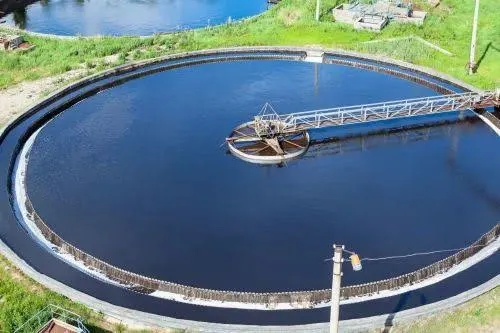
This synchronized development model ensures long-term functionality and sustainability. For instance, new real estate projects coming up in Tellapur, Raviryal, and Peerzadiguda will be directly linked to nearby STPs, removing the need for reactive solutions later. Moreover, the infrastructure is being designed to handle future surges in capacity, anticipating further growth in these zones. By integrating STPs with master planning, Hyderabad is not only solving today’s issues but also building resilient systems for tomorrow’s megacity challenges. This proactive approach reflects a maturing city administration that’s learning from past urbanization pitfalls and applying them to future-ready policies.
The Role of HMWS&SB and Government Coordination
The Hyderabad Metropolitan Water Supply and Sewerage Board has emerged as a central player in this initiative, working closely with both state and urban local bodies. Their efforts reflect both technical planning and on-ground mobilization.
What is HMWS & SB doing?
- Land acquisition is already in full swing.
- Foundation stones for several plants will be laid shortly.
- Technical designs are being optimized to minimize environmental disruption.
Simultaneously, Telangana’s Chief Minister Revanth Reddy is pushing to include Hyderabad’s Sewerage Master Plan under AMRUT 2.0, a central government program. This move could bring in critical funds and regulatory fast-tracking.
Additional STPs Being Commissioned This Month:
While 39 STPs are being planned for ORR, several others are on the verge of commissioning within the core city zones. These include:
| Location | Capacity (MLD) |
| Amberpet | 212.5 |
| Attapur-1 | 64 |
| Mullakathuwa Cheruvu | 25 |
| Shivalaynagar | 14 |
| Nallagandla | 7 |
| Palapitta Park | 7 |
These plants will together ease the burden on existing infrastructure and begin showing results immediately in water quality and public hygiene.
Rainwater Harvesting Mandate: A Complementary Measure
The sewerage plan isn’t the only water-related intervention happening in Hyderabad. With erratic monsoons and tanker dependency growing, the Water Board has also mandated rainwater harvesting pits for homes within 200 yards of the ORR.
Reasons for the mandate:
- Groundwater depletion in many colonies.
- More than 50% of homes lack working harvesting systems.
- Demand for water tankers peaked at 11,000/day this summer.
Action Taken:
- 12,000 harvesting trenches built or repaired.
- 90-day awareness campaign underway.
- Non-compliant households will receive legal notices.
This dual-pronged strategy treating wastewater and capturing rainwater is Hyderabad’s answer to a looming water crisis.
Public Benefits: Beyond Infrastructure
The long-term benefits of these STPs will be felt not just in data sheets, but in daily life across Hyderabad.
Key Outcomes:
- Cleaner lakes and nalas due to reduced raw sewage discharge.
- Healthier neighborhoods with fewer open drains and breeding grounds for mosquitoes.
- Boost to real estate in ORR regions as civic amenities improve.
- Increased groundwater quality through reduced contamination.
This infrastructure investment also creates local jobs, stimulates ancillary industries (like STP maintenance), and attracts global investors looking for sustainable urban hubs.
Environmental Impact of 100% Sewage Treatment in Hyderabad:
The decision to aim for 100% sewage treatment in Hyderabad goes beyond urban planning, it’s an environmental necessity. Untreated sewage is one of the leading causes of lake pollution, groundwater contamination, and ecosystem imbalance. With the construction of 39 new STPs, Hyderabad is taking a critical step toward reversing the environmental damage caused by years of unmanaged wastewater. These plants will prevent harmful effluents from entering water bodies like the Musi River, which has long suffered from industrial and residential discharge.
By treating wastewater before release, the city will see noticeable improvements in water quality, aquatic life, and overall biodiversity. Additionally, the treated water can be reused for non-potable purposes such as landscaping, construction, and industrial processes, reducing the burden on freshwater sources. The initiative aligns with global sustainable development goals (SDGs) and serves as a replicable model for other urban centers struggling with waste management. In the long run, this massive infrastructure upgrade will not only protect Hyderabad’s natural resources but also ensure a healthier environment for future generations.
Conclusion:
Hyderabad is quietly setting a national benchmark. The construction of 39 new STPs across the ORR area signals more than civic planning; it reflects a deep commitment to sustainability, health, and future-readiness. Supported by strong leadership, public cooperation, and technical expertise, the city is inching closer to a future where every drop of wastewater is treated and every citizen benefits from it. If this vision becomes reality, Hyderabad won’t just be India’s most livable city, it might become its cleanest, too.
FAQs:
The total capacity is 972 million litres per day (MLD), aimed at covering newly developed areas near the ORR.
They are experiencing rapid residential growth with insufficient sewage infrastructure, making them high-priority zones.
Land acquisition is nearly complete, and foundation work will begin soon as per HMWS&SB officials.
Yes, for homes within 200 yards of the ORR and properties above 300 square yards, as part of groundwater conservation efforts.
Indirectly, yes. By offloading pressure from existing systems, these plants help balance the sewage load citywide and improve treatment efficiency.