
As Telangana’s urban core braces for rapid population growth, the Hyderabad Metropolitan Water Supply and Sewerage Board (HMWSSB) is stepping up with future-proof projects. Guided by Chief Minister A. Revanth Reddy’s call for a long-term policy, HMWSSB is working on an expansive master plan to overhaul water supply and sewage infrastructure for the Telangana Core Urban Region (TCUR), an area enclosed within the Outer Ring Road (ORR). With population projections set until 2047, this plan could be a defining pivot for sustainable urban living in Hyderabad and its surrounding zones.
Let’s dive deep into the different elements of this large-scale mission that could shape the region’s water security for decades.
Vision 2047: Expanding Water Infrastructure with Population in Mind
With Hyderabad’s population booming, water stress is no longer a future concern, it’s today’s reality. The HMWSSB’s future-ready master plan is driven by demographic forecasts extending up to 2047. The idea is to redesign the city’s water needs long before the pressure mounts to a breaking point.
- Area expansion: The Board plans to extend its operational jurisdiction from 1,400 to 2,050 sq km, ensuring that upcoming neighborhoods within the ORR aren’t left out.
- Master plan creation: A full-fledged proposal addressing water supply and sewage requirements is in progress and expected to be submitted within three months.
- Integrated planning: Rather than fragmented fixes, this plan integrates drinking water, sewerage, and treated water reuse into a cohesive strategy.
This isn’t just about adding pipes and plants, it’s about preparing the city’s water system to stand tall against urban sprawl and climate unpredictability.
Godavari Phase II & III: A Lifeline for Hyderabad’s Thirst
A cornerstone of the master plan is the Godavari Drinking Water Supply Project (GDWSP) Phases II and III, which aim to deliver a robust water supply from Mallannasagar.
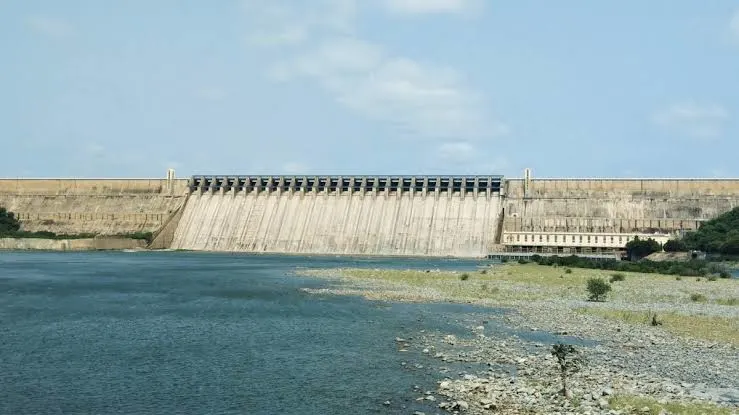
This Rs 7,360 crore project promises:
- 20 tmcft of water, of which:
- 15 tmcft is reserved for Hyderabad’s drinking needs.
- 5 tmcft will replenish the aging Osmansagar and Himayatsagar reservoirs, key to reviving the Musi River.
- Dual benefits: It not only strengthens daily water supply but also contributes to environmental restoration.
- Tenders awarded: The project is in motion with tenders finalized eliminating bureaucratic delays.
For Hyderabadis who’ve faced summer water cuts and tanker dependency, this project represents a coming era of water certainty.
Sewerage Overhaul: Revamping Underground Systems for Clean Cities
A city’s cleanliness often depends on its unseen infrastructure. With this truth in mind, HMWSSB is diving into a long-term sewerage and treatment strategy that goes beyond stopgap solutions.
Here’s what’s happening:
- 39 new STPs (Sewage Treatment Plants) are being developed for urban local bodies between GHMC and ORR under the Musi Riverfront Development Project.
- Cost: Rs 3,840 crore, funded via Centre, State, and Public-Private Partnerships.
- Objective: Ensure 100% treatment and reuse of sewage water, reducing pollution and conserving resources.
The plan doesn’t stop at installing pipes, it includes future-focused reuse of treated water for non-potable uses like landscaping, construction, and flushing, aligning with global water sustainability practices.
STPs Near Osman Sagar & Himayat Sagar: Protecting Legacy Reservoirs
The health of Hyderabad’s oldest reservoirs, Osman Sagar and Himayat Sagar, has long been compromised by unchecked sewage flow. That’s changing now.
Four dedicated STPs are under construction at:
- Janwada
- Himayatnagar
- Nagireddyguda
- Kamuni Nala Confluence Point
These plants are critical for:
- Preventing direct sewage discharge into the reservoirs.
- Improving water quality downstream, including Musi River tributaries.
- Timely completion: All plants are expected to be operational within nine months.
For locals who still recall drinking from these reservoirs, the move feels like an overdue promise being honored.
Focus on Sustainable Water Reuse and Recycling in Urban Planning:
As part of its future-oriented vision, HMWSSB is placing strong emphasis on recycling treated wastewater to ease the burden on freshwater sources. With Hyderabad’s water demand growing exponentially, the reuse of treated water isn’t just a sustainable move, it’s a necessity. The master plan integrates the reuse of sewage-treated water for non-potable purposes such as industrial operations, construction activities, and park irrigation. This reduces pressure on reservoirs like Osman Sagar and Himayat Sagar while contributing to a circular water economy.
Several pilot initiatives are already in place, and the goal is to scale them across all 39 new STPs. Urban planners are being encouraged to integrate dual plumbing systems in upcoming high-rises and commercial spaces to enable safe reuse of treated water. This isn’t merely a technical solution; it represents a cultural shift in how urban citizens think about water usage. Instead of “use and waste,” the vision is to “use, treat, and reuse.” Such practices are expected to be embedded into city development bylaws in the future, making recycled water part of Hyderabad’s urban DNA.
Manjira Phase II & ORR Water Project: Strengthening Backup Supply:
Contingency planning is a key part of the future-proofing agenda. HMWSSB is currently preparing a detailed project report for a second Manjira water pipeline, valued at Rs 600 crore.
Alongside this:
- The ORR Phase II drinking water project is nearly completed, extending reliable water access to newly developed layouts and outer zones.
- Together, these projects:
- Reduce overdependence on a single source.
- Create a buffer during droughts or repair shutdowns.
- Cover peripheral areas that often face lower water pressure.
For growing townships around ORR, this spells the end of water tanker anxiety and inconsistent supplies.
Reform from Within: How HMWSSB is Getting Smarter?
While infrastructure is being built outside, HMWSSB is also overhauling its internal systems with digital tools and grassroots programs.
Major initiatives include:
- GIS Mapping of all pipelines for better network visibility.
- Real-time dashboard monitoring for leak alerts and flow tracking.
- 90-day Sewerage Special Drive, which cleaned over 3,620 km of pipelines and reduced complaints by 30%.
- Efficient water tanker management during summers with expanded fleets and filling points, ensuring no locality went dry.
These updates don’t just modernize the system, they make HMWSSB more responsive and transparent, winning back public trust in utility governance.
Strengthening Urban Local Bodies for Last-Mile Water Management:
Beyond laying pipelines and building plants, one of the most critical aspects of this transformation is empowering Urban Local Bodies (ULBs) to manage last-mile water distribution and maintenance. The master plan acknowledges that no project, no matter how large, can succeed without grassroots involvement. HMWSSB is actively engaging with municipal staff, ward officers, and local engineering teams to train them on new technologies and response protocols. These include leak detection methods, minor pipeline repair training, water quality testing techniques, and digital reporting tools for transparency.
Dedicated water committees at the ward level are being formed to act as a bridge between the community and officials. This decentralized model ensures that even the smallest neighborhoods are not left behind in the modernization drive. Strengthening local capacity is not just about delegating responsibility, it’s about building trust and ownership among communities who rely on these systems daily. When local bodies are technically empowered and well-coordinated, the city’s water systems become not only more efficient but also more resilient to crisis.
Conclusion:
The HMWSSB’s plan isn’t a PR move, it’s a deep commitment to long-term sustainability. From expanding supply lines and restoring reservoirs to integrating reuse technologies and cleaning up sewers, the Board is addressing both the seen and unseen aspects of urban water life. And it’s doing so with an eye on 2047, not just the next monsoon. As the Telangana Core Urban Region evolves into a mega-urban cluster, these projects ensure that growth is met with dignity, health, and foresight. The next generation may not even realize the daily crisis we’re averting today, and that’s the hallmark of a truly future-proof plan.
FAQs:
The new master plan aims to revamp water supply and sewerage systems for Hyderabad and surrounding regions within the ORR, based on population projections up to 2047.
The Godavari Phase II & III project will provide 20 tmcft of water, ensuring a stable drinking water supply and rejuvenating old reservoirs as part of a broader environmental initiative.
HMWSSB is constructing 39 new sewage treatment plants and enhancing existing sewer lines to ensure efficient treatment and reuse of wastewater.
These reservoirs are being protected from sewage contamination by constructing four STPs to divert and treat incoming waste before it reaches the water bodies.
Through reforms like GIS mapping, dashboard monitoring, and special cleaning drives, the board has improved response time, reduced complaints, and modernized its water services.