
Hyderabad’s bustling streets are poised for a green revolution as the state government relaxes norms to let more environmentally friendly auto rickshaws operate within the Outer Ring Road (ORR). This much-anticipated decision aims to cater to the surging population while also addressing the city’s growing concerns about air quality and noise pollution. The Telangana government has initiated, with the help of Transport Minister Ponnam Prabhakar, in a recent announcement, shared that 20,000 new electric autorickshaws and 10,000 each of LPG and CNG autos have been greenlit for service. Let’s explore how this development is set to transform Hyderabad’s urban landscape and transport ecosystem.
ORR Hyderabad’s Rapid Expansion Towards Sustainable Urban Mobility:
Hyderabad’s rapid expansion has presented challenges in balancing infrastructure demands with sustainability. The government’s decision to permit these additional green autos is more than a nod to environmental consciousness, it’s a response to the needs of the city’s growing population.

- The Rising Need: With new apartments and residential layouts springing up inside the ORR, the demand for auto rickshaws has surged. People depend on these three-wheelers for last-mile connectivity and affordable daily commutes.
- Environmental Edge: Electric, LPG, and CNG autos are crucial in controlling air and noise pollution. These green autos emit significantly fewer pollutants, offering a cleaner, quieter ride.
- Beyond Permits: This move will also encourage existing petrol and diesel autos to retrofit or upgrade, pushing the city closer to a sustainable future.
By weaving together environmental stewardship and daily life practicality, Hyderabad is embracing a new chapter in public transport evolution.
Green Autos Empowering Auto Drivers:
The decision to expand the fleet of green autos isn’t just a boon for the environment, it’s a game changer for livelihoods too. Hyderabad’s auto rickshaw drivers, many of whom have been grappling with challenges in securing permits or upgrading their vehicles, now see new hope.
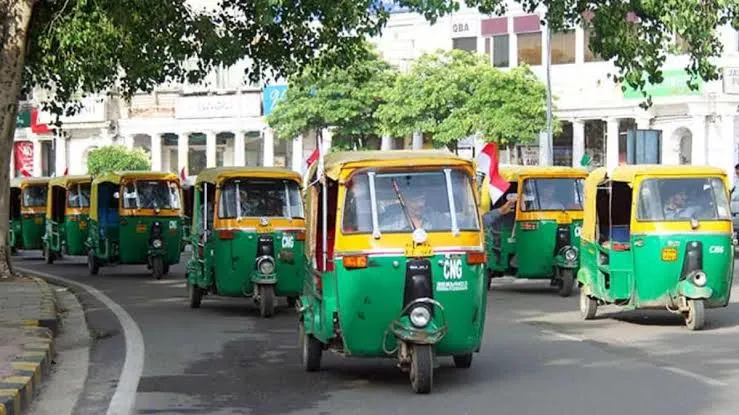
- Increased Opportunities: More green autos mean more jobs and income sources for drivers, particularly those looking to invest in newer, cleaner vehicles.
- Reduced Maintenance Costs: Electric and CNG autos typically have lower fuel and maintenance expenses, helping drivers save in the long run.
- Better Working Conditions: A cleaner vehicle isn’t just good for passengers, it’s healthier for drivers themselves.
- Improved Access: More autos mean better coverage and quicker rides, especially in new residential areas around the ORR.
- Comfort & Safety: Newer vehicles typically offer better comfort and enhanced safety standards, making commutes smoother.
As these new green autos hit the roads, both drivers and passengers are set to benefit from a modern, more inclusive transport experience.
Challenges on the Road to Implementation of this Decision:
While the new policy promises brighter days, the transition to a larger fleet of green autos isn’t without hurdles. From regulatory complexities to infrastructure gaps, a thoughtful approach is needed to make the shift smooth.
Some key challenges include:
- Charging Infrastructure: Electric autos require reliable charging stations, which remain scarce in many city pockets.
- Retrofitting Woes: Retrofitting older diesel and petrol autos to electric, CNG, or LPG standards is a costly and technically demanding task.
- Permit Distribution: Transparent and fair allocation of the new permits is critical to avoid confusion and misuse.
Addressing these issues head-on will be essential. The government has shown a commitment to supporting drivers and commuters, but active involvement from civic bodies, auto unions, and environmental agencies is vital to keep momentum strong.
Local Manufacturing of 20,000 Electric Autos and 10,000 Each of LPG and CNG Autos:
The new policy that allows more green autos to ply inside the ORR also brings with it a promising opportunity for local manufacturing and green technology adoption. Hyderabad has seen a surge of interest from electric vehicle makers and auto retrofitters in the last few years, but demand was often tempered by regulatory bottlenecks. With the government opening the gates for 20,000 new electric autos and 10,000 each of LPG and CNG autos, local manufacturers are now gearing up to meet this newfound market potential. Workshops and garages that specialize in retrofitting diesel and petrol vehicles to cleaner energy models are seeing an influx of inquiries.
Electric vehicle component suppliers, who have struggled to find consistent demand in the city, finally have a market that is not just growing but is government-backed. This move is expected to create more jobs within the local manufacturing ecosystem, from battery assembly units to service and repair centers catering to the new breed of autos. It also signals that Hyderabad is ready to embrace green technology not just in theory, but in real-life applications that touch the everyday lives of its residents.
The Role of GHMC in the Green Auto Initiative in Hyderabad:
The Greater Hyderabad Municipal Corporation (GHMC) has been instrumental in facilitating this green transition. Their role in drafting and implementing these new norms reflects the city’s progressive approach.
- Policy Support: GHMC’s orders to allow these green autos underscore a proactive stance toward urban mobility and climate-friendly transport.
- Collaborative Planning: By coordinating with transport unions, auto manufacturers, and retrofit service providers, GHMC is aiming for a balanced approach.
- Monitoring & Enforcement: GHMC will oversee adherence to the new norms, ensuring that only permitted green autos operate within the ORR.
This cooperative model of governance will be crucial in making Hyderabad a leader in green urban transport. It also signals that the city is listening to the evolving needs of its people embracing sustainability without compromising accessibility.
Public Response with this Announcement of Green Fleet Auto:
Since the announcement, there’s been a palpable sense of optimism and curiosity among residents and drivers. Conversations in local tea stalls, auto stands, and bus stops buzz with excitement over the prospect of quieter, cleaner rides.
- Commuter Sentiment: Many see this as a sign that the government is finally prioritizing both comfort and climate.
- Driver Reactions: While drivers are enthusiastic, there’s also caution about upfront costs and the learning curve with new technologies.
- Environmentalists’ View: Advocacy groups are hopeful that this could be the start of more widespread electric mobility initiatives.
As Hyderabad gears up for this change, it’s clear that the journey is just beginning. The city’s willingness to adapt and evolve will shape how successful this green auto push becomes in the years to come.
Reinforcing Hyderabad’s Commitment to Urban initiatives:
Allowing more green autos to operate within the ORR is not just about easing the pressure on commuters and drivers; it also speaks volumes about Hyderabad’s growing commitment to urban livability. City planners have long grappled with the twin challenges of pollution and congestion, both of which directly impact the quality of life in a dense metropolitan setting. By integrating electric, LPG, and CNG autos into the mainstream transport ecosystem, the city is sending a clear signal that it wants to prioritize clean air and quiet streets.
This policy shift complements broader urban initiatives that focus on sustainable growth, like the expansion of green spaces and the introduction of smart traffic systems. Ultimately, these changes are not isolated, they’re part of a larger narrative about making Hyderabad a healthier and more liveable city for everyone. From the morning school run to late-night trips home, green autos are set to make every ride inside the ORR a little more breathable and a lot more sustainable.
Conclusion:
The relaxation of norms to allow more green auto rickshaws within Hyderabad’s ORR is more than a policy tweak, it’s a statement of intent. As 20,000 electric and 10,000 each of LPG and CNG autos prepare to join the city’s roads, Hyderabad is embracing cleaner, smarter transport solutions that put people and the planet first. This is a story of progress of a city rewriting the rules to ensure a healthier, more vibrant future for everyone.
FAQs:
The policy allows 20,000 electric autos and 10,000 each of LPG and CNG autos within the ORR, while restricting new diesel and petrol autorickshaws.
These vehicles reduce both air and noise pollution, supporting the city’s environmental and public health goals.
Yes, 25,000 vehicles are allowed to retrofit to electric, CNG, or LPG to align with the new eco-friendly standards.
Auto drivers can now legally operate cleaner vehicles, reducing fuel costs and improving health and safety conditions.
Building sufficient charging and refueling infrastructure and ensuring fair permit distribution are key challenges for successful implementation.